






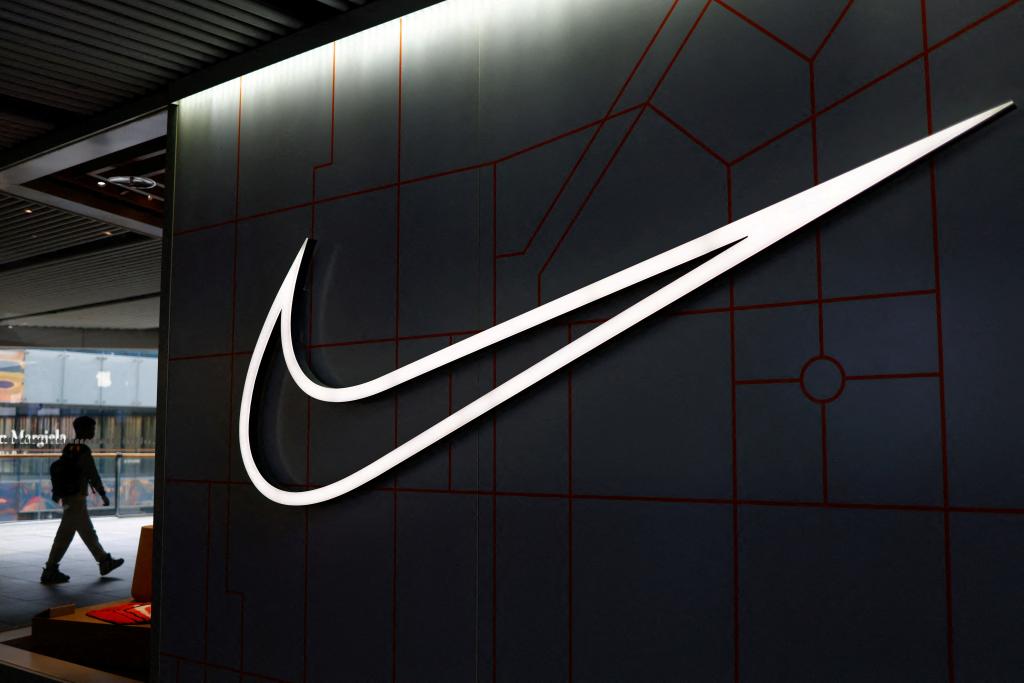
Washington, D.C. — Nike is under federal investigation after allegations surfaced that the company’s diversity, equity, and inclusion (DEI) initiatives may have unlawfully discriminated against white employees and job applicants. The U.S. Equal Employment Opportunity Commission (EEOC) confirmed on Wednesday that it is examining claims that the athletic apparel giant violated federal anti-discrimination laws, according to a recent court filing first reported by Reuters.
The EEOC stated that Nike has refused to comply with a subpoena requesting detailed employment records, including data on the racial and ethnic composition of its workforce and a roster of employees selected for internal mentoring and professional development programs. The agency said these records are essential to determine whether Nike’s employment practices breached federal law.
At the center of the investigation are allegations that Nike deliberately treated white employees and applicants unfairly, including claims that they were disproportionately targeted during layoffs.
Nike Pushes Back on Subpoena Dispute
Nike strongly disputed the EEOC’s characterization of its cooperation. In a statement to FOX Business, a company spokesperson described the subpoena action as an unexpected escalation.
“This feels like a surprising and unusual escalation,” the spokesperson said. “We have had extensive, good-faith participation in an EEOC inquiry into our personnel practices, programs, and decisions and have had ongoing efforts to provide information and engage constructively with the agency.”
According to Nike, the company has already shared thousands of pages of documents and provided detailed written responses, with additional information still being prepared for submission.
The company emphasized its long-standing commitment to lawful employment practices. “We are a proud American company focused on bringing inspiration and innovation to athletes around the world,” the spokesperson added. “We are committed to fair and lawful employment practices and follow all applicable laws, including those that prohibit discrimination. We believe our programs and practices are consistent with those obligations and take these matters seriously.”
Nike confirmed it will continue cooperating with the EEOC and formally respond to the agency’s petition.
Investigation Coincides With Job Cuts and Restructuring
The federal scrutiny comes at a pivotal moment for Nike, which recently announced plans to cut 775 jobs, primarily affecting distribution centers in Tennessee and Mississippi. The layoffs are part of a broader effort to automate its supply chain and streamline operations.
A Nike spokesperson previously told FOX Business that the company is consolidating its U.S. distribution network to move faster, improve efficiency, and invest more heavily in technology, automation, and workforce skills.
These job cuts follow a series of workforce reductions over the past two years as Nike works to improve financial performance and reorganize operations. In August of last year, the company said it would reduce less than 1% of its corporate workforce as part of a turnaround strategy under CEO Elliott Hill. Earlier, in February 2024, Nike announced it would cut 2% of its global workforce, affecting more than 1,600 employees.
A Broader Debate Around DEI and Employment Law
The EEOC investigation places Nike at the center of a broader national debate over how corporate DEI initiatives intersect with federal anti-discrimination laws. The agency has made clear that its inquiry is focused on whether Nike’s programs crossed legal boundaries by disadvantaging certain groups of employees or applicants.
As the investigation proceeds, regulators will assess whether Nike’s internal policies and layoff decisions were driven by lawful business considerations or whether they resulted in prohibited discrimination under U.S. employment law.
For now, the outcome remains uncertain. What is clear is that one of America’s most recognizable brands is facing heightened legal and public scrutiny at a time of significant internal transformation—testing how companies can balance diversity goals, operational efficiency, and compliance in an evolving regulatory environment.