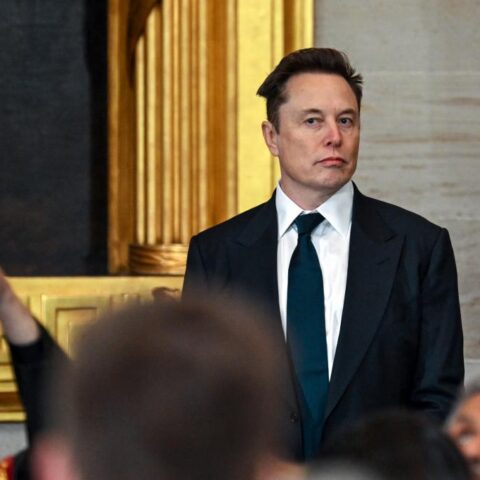







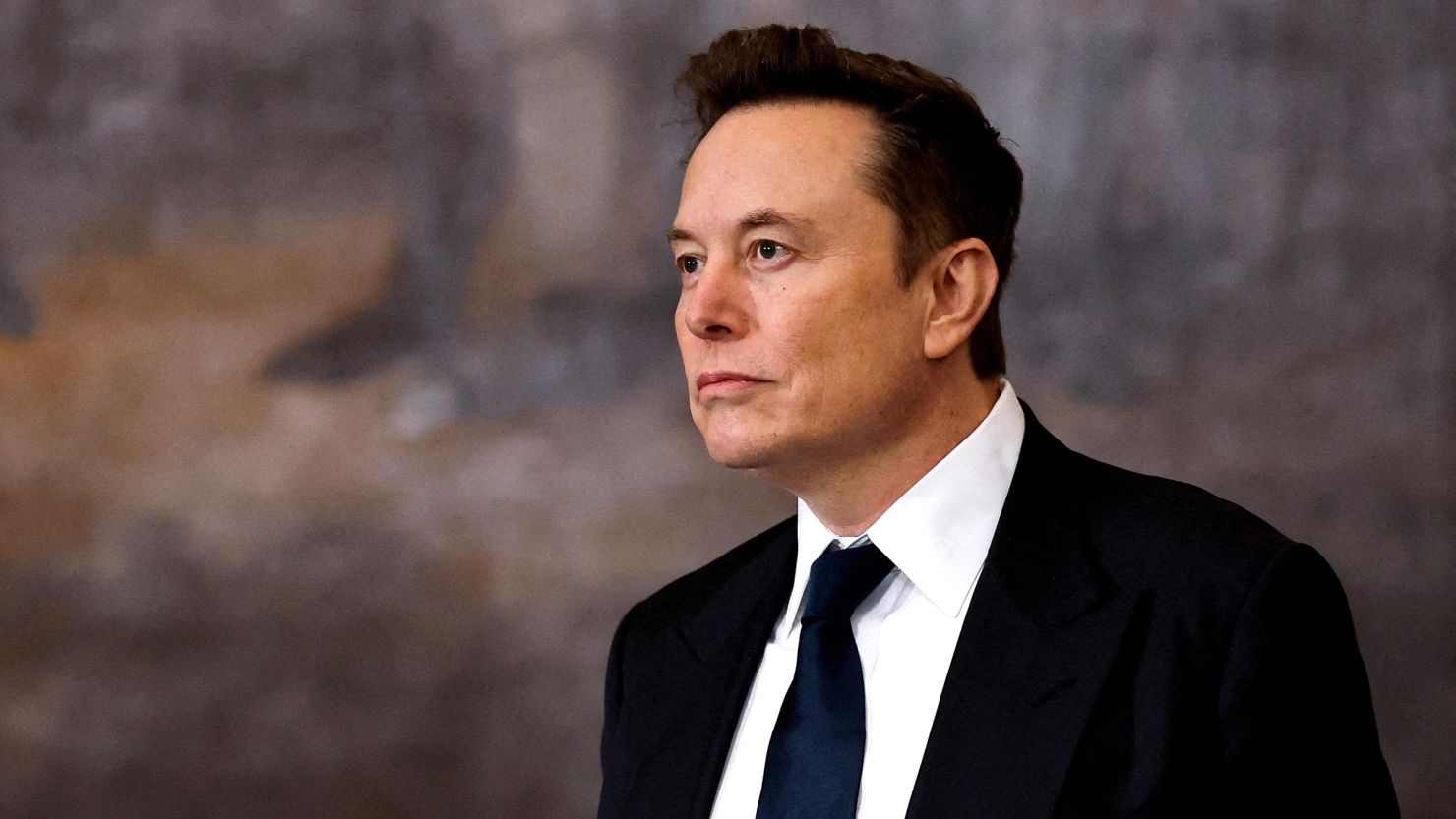
In a move that could redefine global capital markets, Elon Musk’s SpaceX has confidentially filed for an initial public offering (IPO), setting the stage for what may become the largest stock market debut in history.
According to sources familiar with the matter, the listing could value SpaceX at more than $1.75 trillion—an extraordinary milestone that underscores the rapid transformation of space exploration from a speculative frontier into a dominant investment sector.
A New Era for Space as an Investment Class
SpaceX’s anticipated IPO represents more than just a corporate milestone; it signals a broader shift in how investors perceive the space industry. Once considered high-risk and experimental, space technology is now emerging as a core pillar of future economic growth.
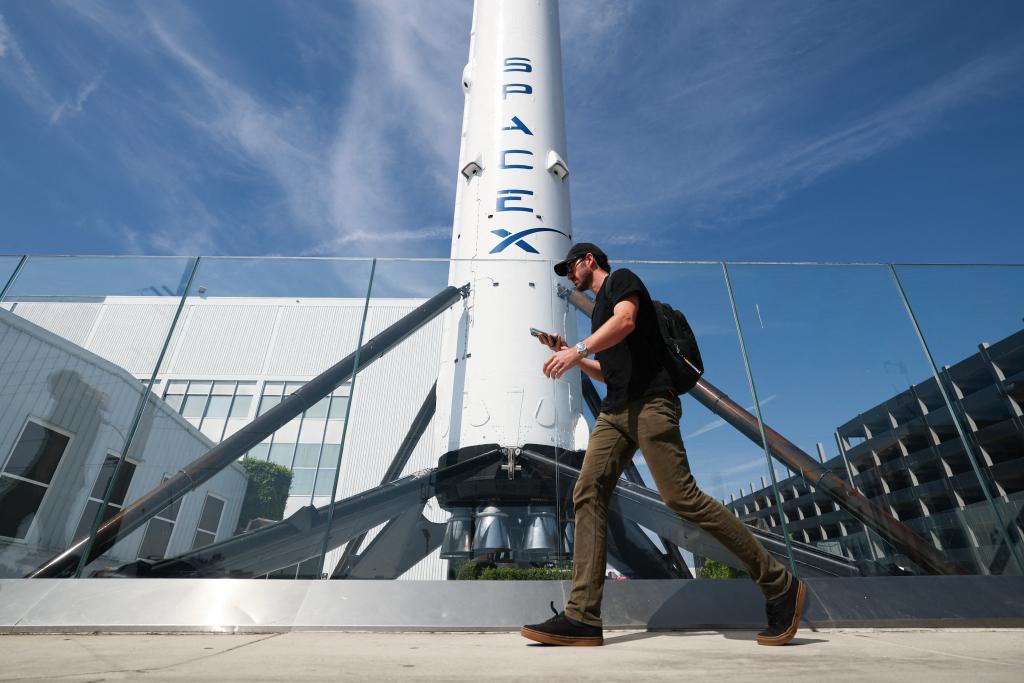
The company’s meteoric rise has been driven by its revolutionary reusable rocket systems and the global expansion of its Starlink satellite internet network—both of which have reshaped the economics of space access and connectivity.
Strategic Expansion and the xAI Merger
The IPO filing follows a major strategic development: SpaceX’s merger with Musk’s artificial intelligence venture, xAI. The deal valued SpaceX at approximately $1 trillion and xAI at $250 billion, further amplifying investor interest in Musk’s expanding technological ecosystem.
This integration reflects a broader convergence of industries—space, AI, and data—positioning SpaceX at the intersection of multiple high-growth sectors.
Investor Momentum and Market Expectations
Market analysts expect significant demand for the offering, with both institutional and retail investors seeking exposure to SpaceX’s fast-growing operations.
Angelo Bochanis of Renaissance Capital noted that while traditional valuation models may apply, investor sentiment around Musk’s vision could heavily influence pricing. “Like with Tesla, SpaceX’s valuation could fluctuate based on how much the public believes in Musk’s long-term vision,” he said.
The company is reportedly planning a series of engagements with analysts, including an in-person analyst day on April 21, a visit to xAI’s “Macrohard” data center in Memphis on April 23, and a virtual financial session with banks on May 4.
A Potential Record-Breaking Listing
If successful, SpaceX could raise more than $50 billion through its IPO—surpassing the record set by Saudi Aramco in 2019, which remains the largest public offering to date.
Such a blockbuster debut could reinvigorate the global IPO market, which has seen subdued activity in recent years. It may also encourage other high-profile startups, including OpenAI and Anthropic, to accelerate their own listing plans.
The Rise of “Muskonomy”
A public listing would also bring increased scrutiny to what analysts have dubbed “Muskonomy”—the interconnected network of companies led by Elon Musk, spanning industries from electric vehicles at Tesla to neural technology at Neuralink and infrastructure ventures like The Boring Company.
Musk’s recent consolidation of the social media platform X into xAI further highlights the integration of data, AI, and distribution within his business empire.
Experts note that a dual-class share structure is likely, allowing Musk to retain control even after going public. However, questions remain about his ability to oversee multiple large-scale enterprises simultaneously.
Balancing Vision with Execution
While some investors may be cautious about Musk’s expansive portfolio and polarizing public profile, others point to SpaceX’s operational maturity as a key strength.
“SpaceX is technologically ahead in several critical areas and already profitable, which provides a strong foundation,” said Kat Liu of IPOX.
Looking Ahead
As SpaceX moves closer to its public debut, the implications extend far beyond one company. The IPO could reshape investor appetite for innovation-driven businesses and redefine how capital markets engage with frontier technologies.
In many ways, this moment represents the convergence of ambition, technology, and finance—where the boundaries of Earth are no longer the limits of economic opportunity.
If realized, SpaceX’s IPO will not only mark a historic financial event but also signal the arrival of a new era—one where space is no longer just the final frontier, but a central pillar of the global economy.