




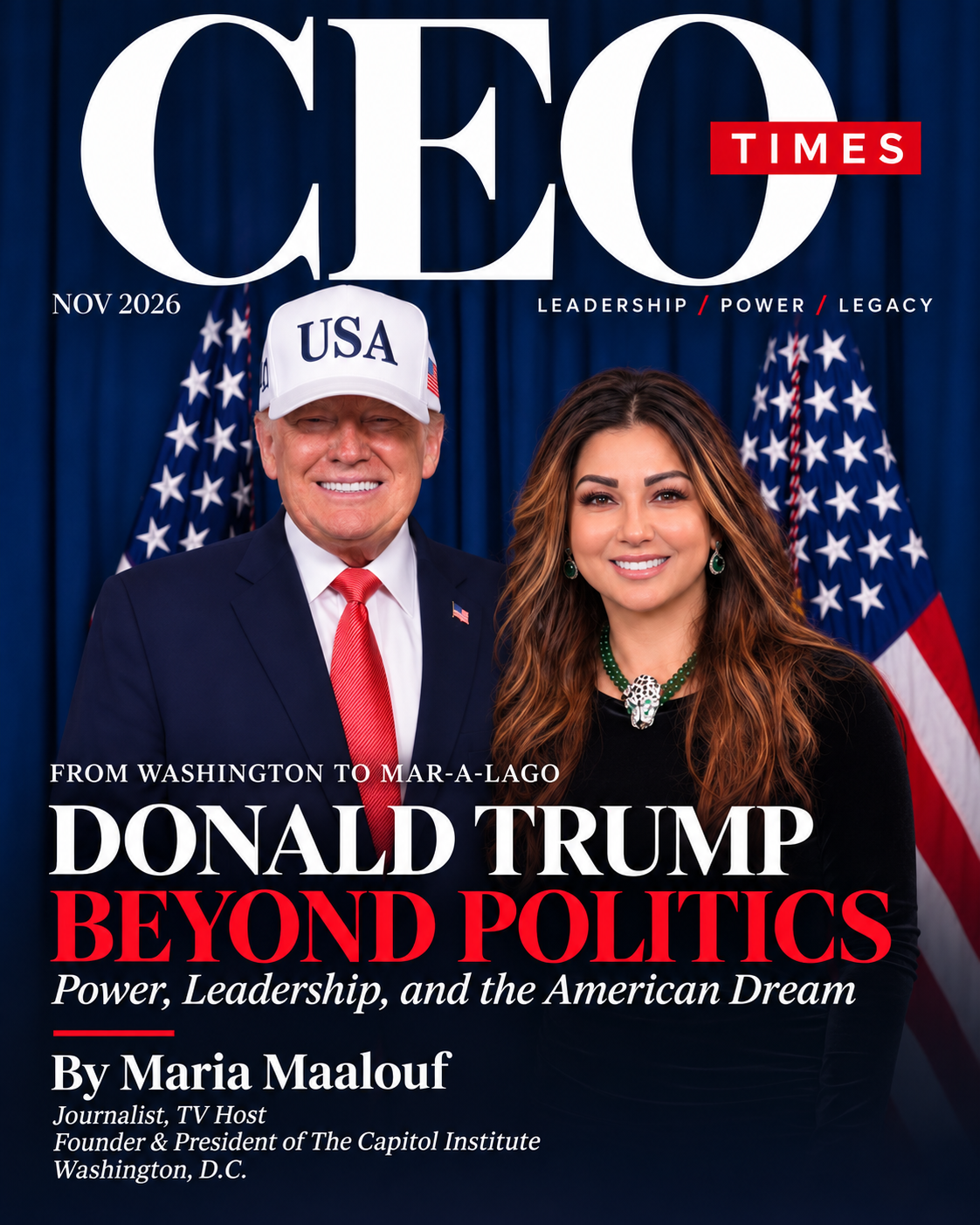
By Maria Maalouf
Donald Trump is more than a political figure. He is one of the most consequential and debated personalities in contemporary American public life, a leader whose influence has challenged established political conventions, reshaped national conversations and placed fundamental questions about American identity, sovereignty and global leadership at the centre of international debate.
Understanding Donald Trump requires looking beyond election campaigns, political controversies and the constant news cycle. His story is also connected to broader questions about the American Dream, the nature of political power, the relationship between leadership and national identity, and America’s position in an increasingly complex world.
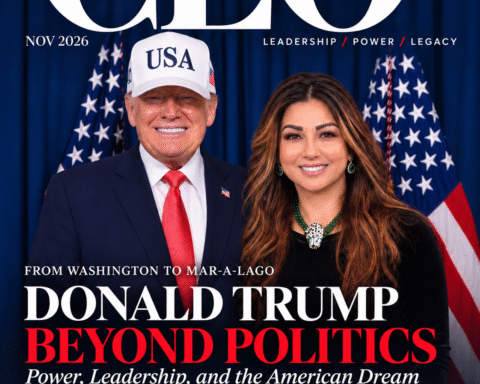
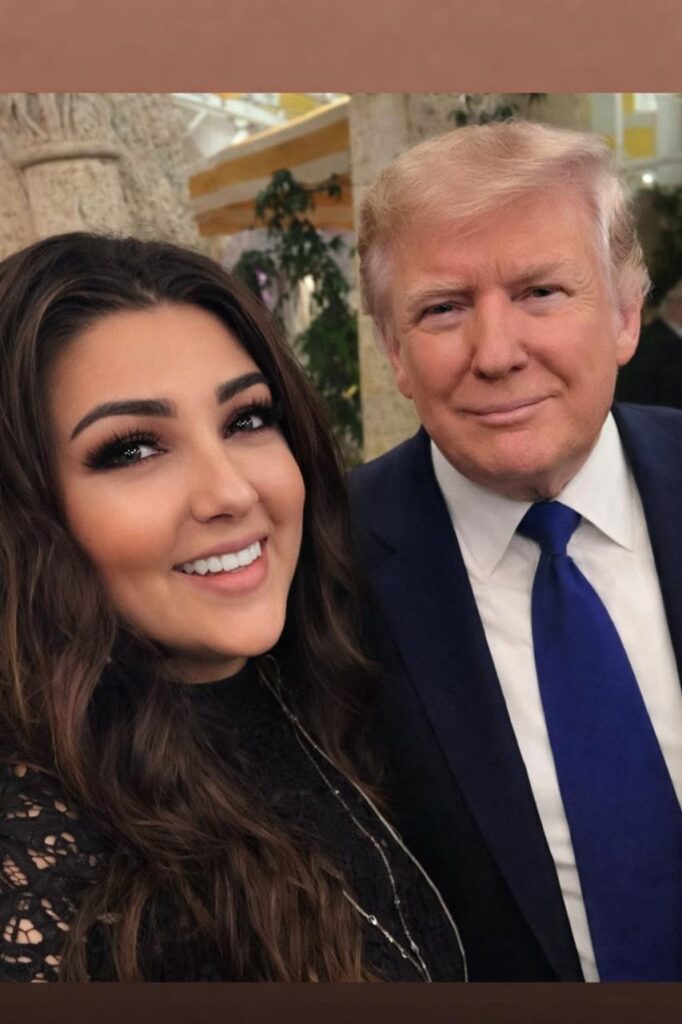
As a journalist based in Washington, D.C., I have spent years observing American politics, engaging with policymakers, interviewing influential personalities and attending gatherings where political, diplomatic and business relationships intersect.
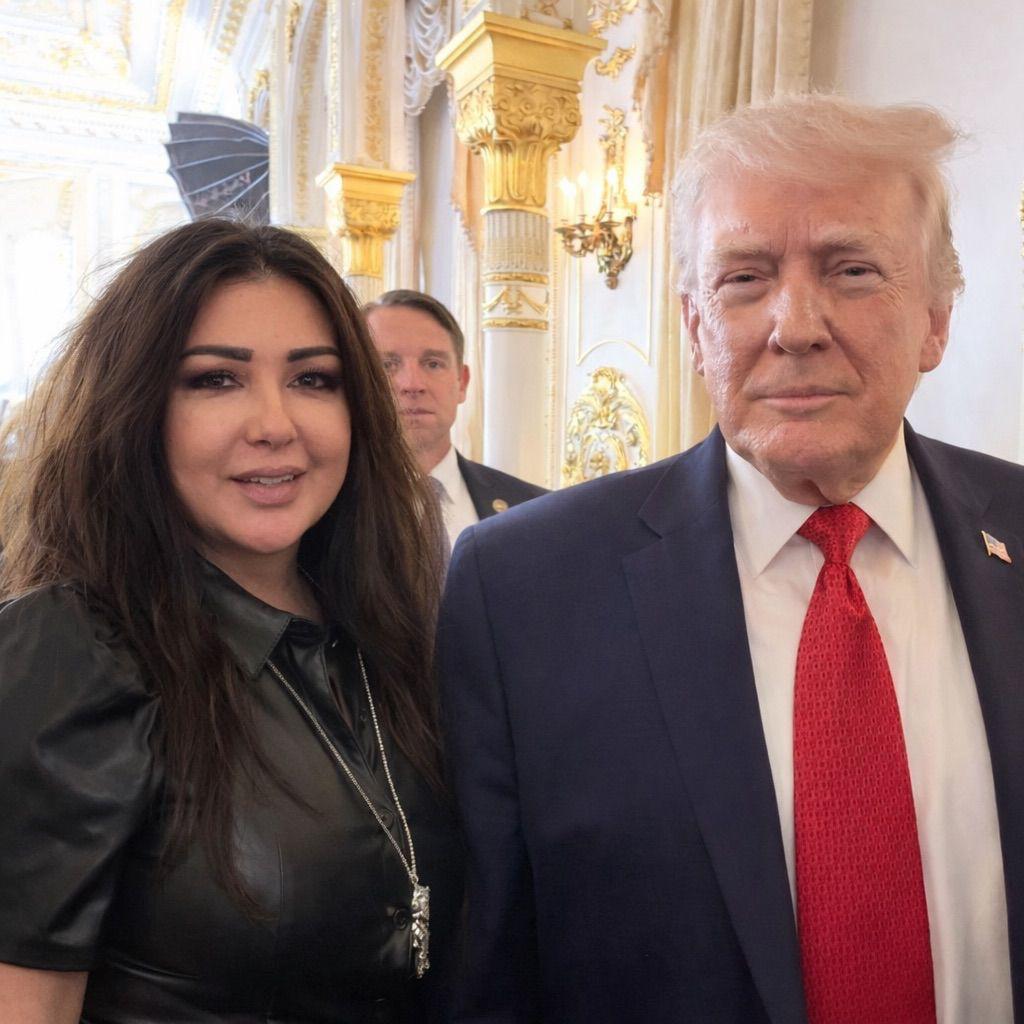
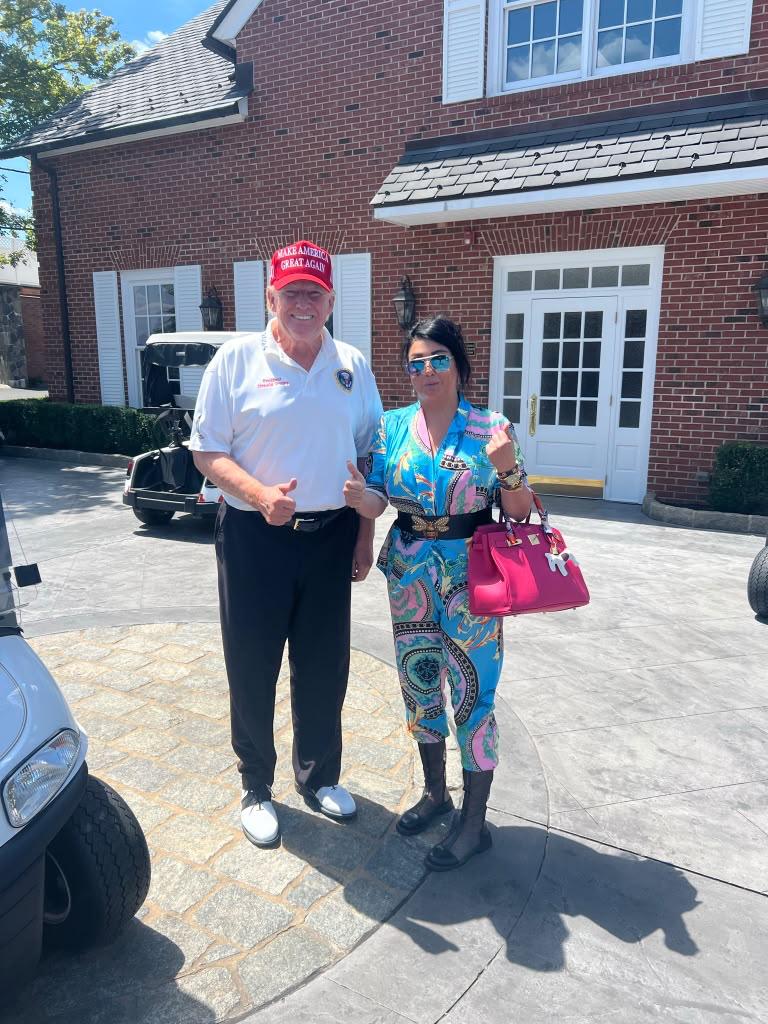
My experiences, extending from Washington to Mar-a-Lago, have offered opportunities to observe the environment surrounding President Trump beyond the public spectacle. They have also reinforced my belief that political leadership cannot be understood through headlines alone. It requires examining the ideas, relationships, convictions and decisions that shape the individual behind the office.
What interests me most is the wider political and cultural phenomenon represented by Trump: his understanding of America, his relationship with its traditions, and his vision of the country’s role in the world.
Few political expressions have generated as much discussion as Donald Trump’s declaration of “America First.”
For his supporters, the principle represents a renewed commitment to national sovereignty, economic independence, secure borders and the belief that the American government’s foremost responsibility is to its own citizens. They view it as a challenge to political and economic arrangements that, in their opinion, have not always served American workers and communities effectively.
For his critics, however, the approach raises concerns about international cooperation, diplomatic commitments and the future of America’s traditional leadership within the global order.
Both perspectives reflect the significance of the debate.
For decades, American decisions have influenced international security, global trade, financial markets and diplomatic relationships. Trump’s approach has encouraged allies and competitors to reconsider their expectations of Washington, particularly regarding the responsibilities of international partnerships and the distribution of economic and security commitments.
The deeper question is how a country can protect its national interests while continuing to contribute to international stability.
National strength and international cooperation need not be opposing principles. The challenge for American leadership is to establish a balance in which sovereignty, economic opportunity and responsible global engagement reinforce one another.
The Middle East remains one of the most important regions for understanding America’s international responsibilities.
Trump’s association with the Abraham Accords marked a significant chapter in regional diplomacy. The agreements demonstrated that relationships between countries with longstanding political differences could evolve through diplomatic engagement and changing strategic priorities.
They also reflected the importance of economic cooperation, regional security and the possibility of establishing new diplomatic relationships.
However, peace cannot be sustained through agreements alone.
Lasting stability requires functioning institutions, credible security arrangements, economic development, respect for national sovereignty and meaningful diplomatic engagement. It also requires addressing the conditions that allow conflict and instability to persist.
The United States therefore faces a complex responsibility: maintaining credible deterrence while supporting diplomatic initiatives that reduce the likelihood of prolonged confrontation.
For countries across the Middle East, American foreign policy is not an abstract political discussion. It has implications for investment, energy markets, regional security and the everyday lives of millions of people.
The real measure of diplomatic leadership should ultimately be its ability to move beyond declarations and contribute to a more stable and sustainable regional environment.
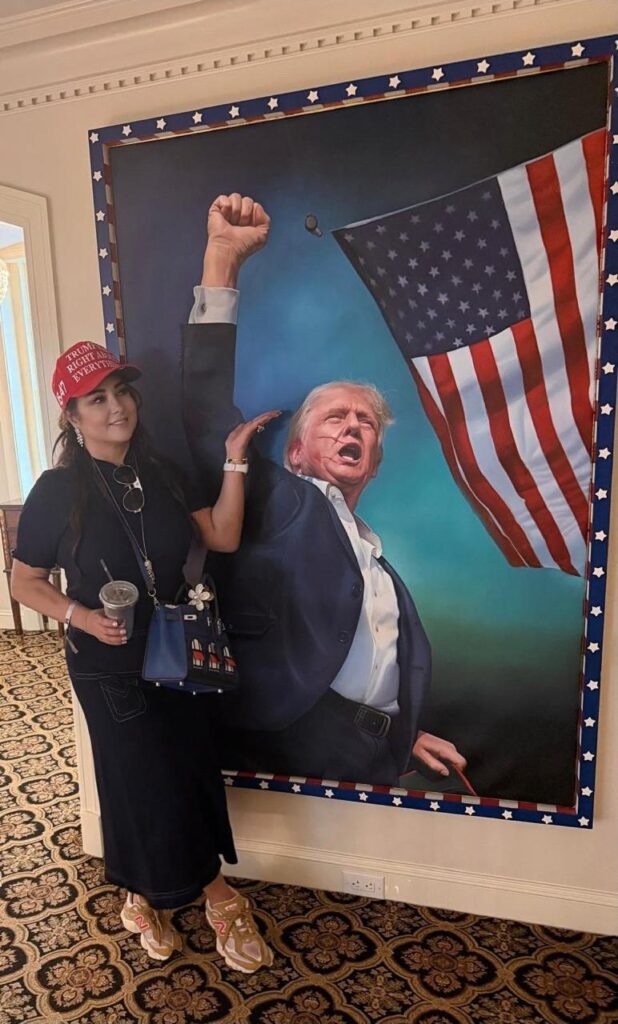
Politics is usually examined through presidential speeches, official meetings, elections and diplomatic negotiations. Yet leadership also exists within a broader human environment shaped by personal relationships, social traditions and informal exchanges.
Through my experiences at Mar-a-Lago, I have had opportunities to observe an atmosphere where American traditions, hospitality, music, personal connections and political conversations come together.
The setting offers a different perspective from the highly confrontational political environment often presented through television and social media.
Conversations among guests, interactions with public figures and exchanges of ideas with individuals from business and political circles can provide an additional understanding of the personalities and perspectives surrounding American public life.
I have always considered these experiences valuable because informal conversations can sometimes reveal dimensions of leadership and political culture that formal interviews do not capture.
They offer an opportunity to observe how individuals communicate, how relationships develop and how political ideas exist beyond official institutions.
At the same time, personal encounters should not be confused with an assessment of presidential performance. Political leadership must ultimately be evaluated through decisions, public responsibilities, institutional consequences and measurable outcomes.
Nevertheless, understanding the human environment surrounding power remains an important part of understanding politics itself.
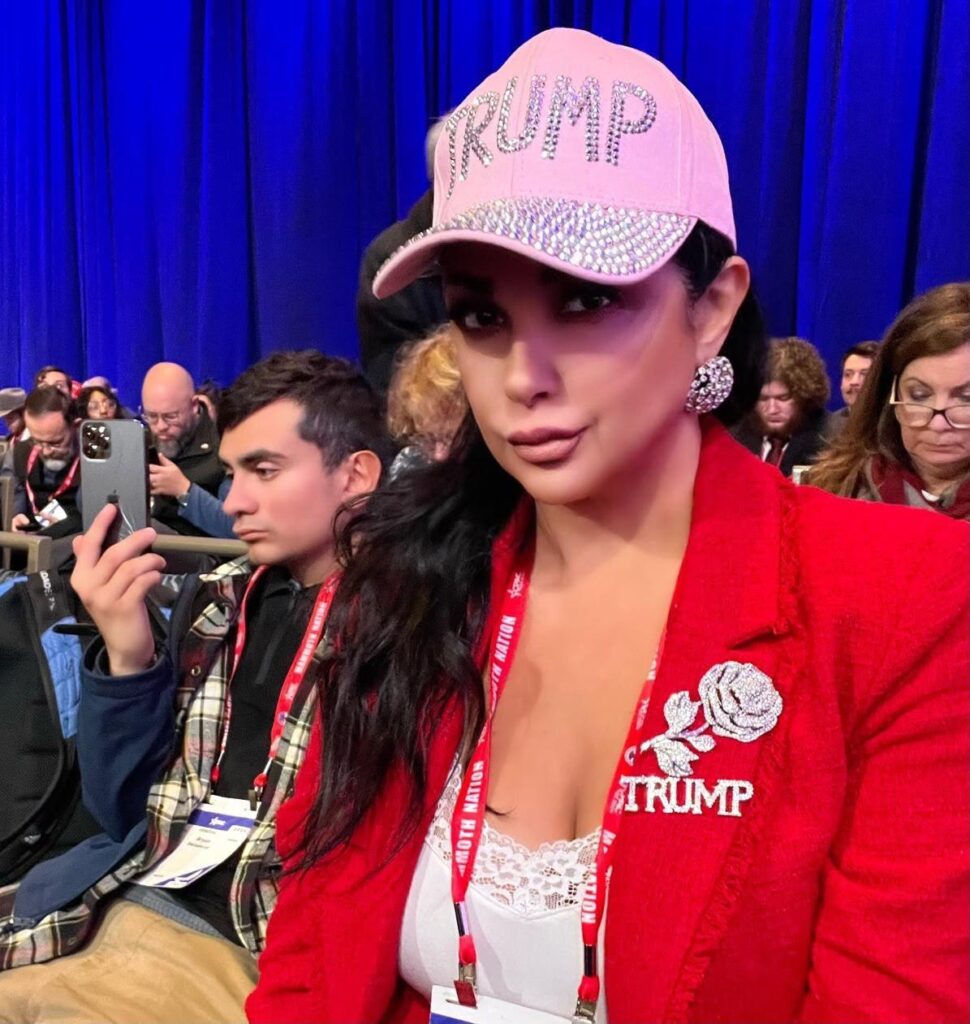
One of the most important aspects of the American experience is the relationship between individual liberty, faith and constitutional responsibility.
Living and working in Washington has strengthened my appreciation for these principles, particularly the importance of freedom of expression.
As a journalist who has experienced the consequences of expressing controversial opinions, I understand that the ability to question authority, challenge established narratives and defend one’s convictions is a fundamental element of a free society.
The American constitutional tradition places freedom of speech and religious liberty among its defining principles. These protections must remain greater than any political movement, administration or individual personality.
Trump’s political movement has placed patriotism, faith and traditional values prominently within the national conversation. Supporters regard this emphasis as an affirmation of America’s cultural and historical identity. Critics, meanwhile, raise questions about the relationship between certain political positions, pluralism and individual rights.
For me, the essential principle is that faith should encourage moral responsibility, freedom should protect the right to disagree, and patriotism should remain compatible with respect for constitutional institutions.
A nation’s strength cannot be measured solely through military capabilities, economic performance or international influence. It must also be reflected in its commitment to individual dignity, equal protection and the freedoms that allow different voices to coexist.
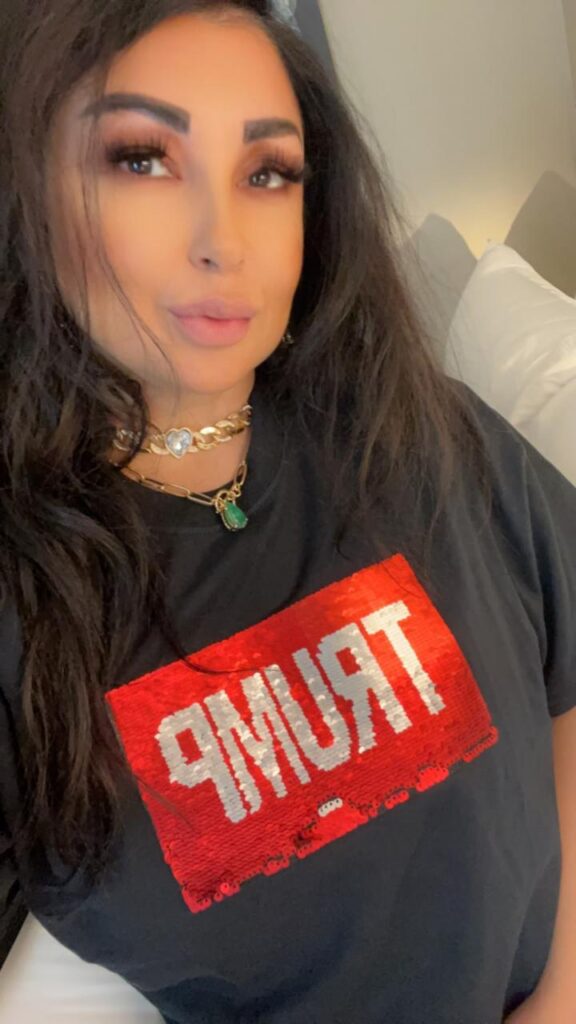
Modern political discourse often reduces influential personalities to simplified images. Leaders become symbols of competing political identities, while complex decisions are interpreted through the language of admiration or opposition.
Donald Trump has experienced this polarisation throughout his political career.
His supporters frequently describe him as a leader willing to challenge established political structures and confront institutions they believe have become disconnected from ordinary Americans. His critics question his rhetoric, conduct and approach to democratic institutions.
These competing interpretations are part of the broader political reality surrounding his leadership.
However, serious journalism must go beyond personal loyalties and political impressions. It must distinguish between public image, political promises, government decisions and their actual consequences.
The human dimension of leadership is important because presidents are individuals whose personalities and convictions can influence national direction. But personality cannot replace accountability.
The decisions made by an American president extend far beyond Washington. They can influence international markets, diplomatic relationships, security arrangements and the lives of people across different continents.
That is why political leadership must always be examined through both its intentions and its outcomes.
Beyond the political debate surrounding Trump lies a much larger question: what does the American Dream mean in contemporary America?
For generations, the American Dream has represented the possibility of building a better life through ambition, hard work, individual freedom and opportunity. It has attracted entrepreneurs, professionals, students and families from across the world.
Its appeal has never depended exclusively on political leadership. It has been sustained by the country’s economic opportunities, institutions, cultural influence and capacity to attract people with different backgrounds and aspirations.
Trump’s political message has placed renewed emphasis on economic nationalism, industrial strength, national identity and the interests of American workers.
These priorities have become central to discussions about the future of the American Dream. Supporters see them as necessary to restore economic confidence and strengthen domestic industries. Critics question whether some of the policies associated with this approach could create economic uncertainty or deepen divisions.
Ultimately, the American Dream must be judged by the opportunities available to ordinary citizens: whether families can build financial security, businesses can grow, workers can develop new skills and future generations can achieve greater prosperity.
The strength of the American experiment lies in its ability to renew these opportunities while preserving the freedoms and institutions that make them possible.
Donald Trump’s place in American history remains a subject of significant political and historical debate.
His influence on the Republican Party, American political communication, national identity and foreign policy has already made him a defining figure in contemporary politics.
Yet a presidency’s historical legacy cannot be determined solely by popularity, political influence or the intensity of public debate.
It must be assessed through the lasting consequences of its decisions.
Will economic and industrial policies generate sustainable opportunities? Will America’s alliances adapt to changing geopolitical realities? Can diplomacy and deterrence contribute to greater international security? Will democratic institutions maintain public confidence despite political polarisation?
These questions extend beyond partisan loyalties and immediate political victories.
As a journalist, I believe that observing history as it unfolds carries a particular responsibility. It requires looking beyond the emotions of the moment, questioning established narratives and examining the forces that will shape the future.
My experiences in Washington and at Mar-a-Lago have allowed me to observe different dimensions of the political and social environment surrounding Trump. They have also reinforced an important understanding: political power is temporary, but the consequences of how it is exercised can endure for generations.
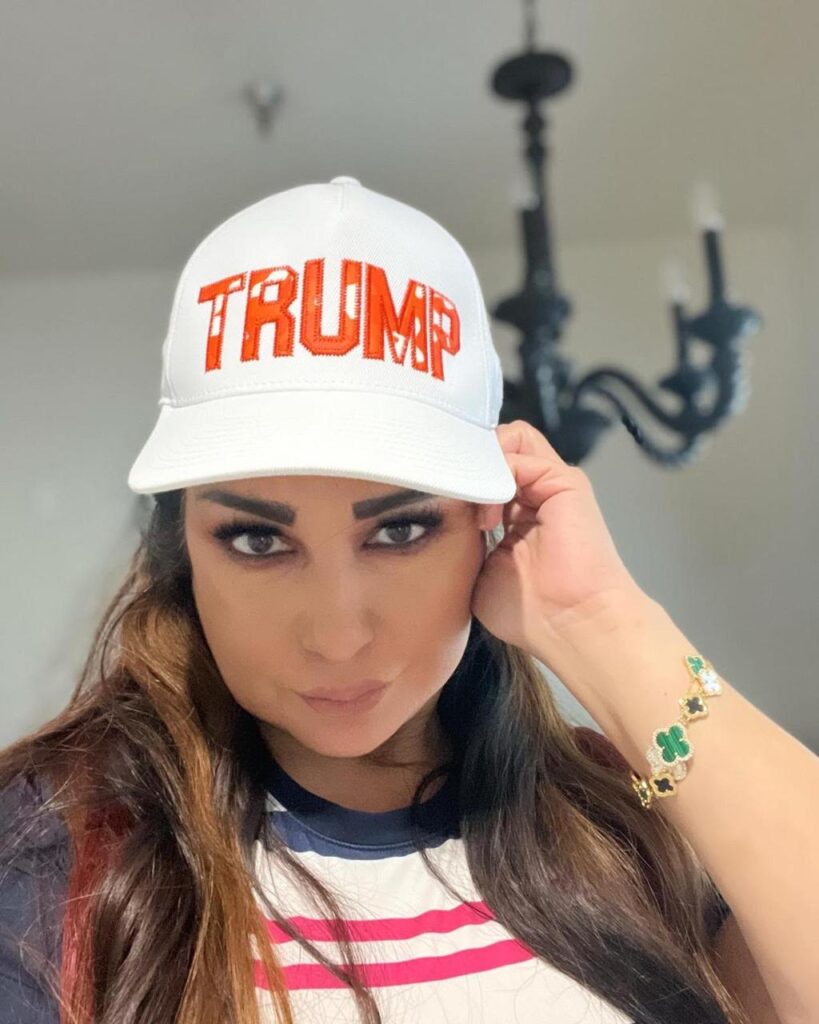
Donald Trump represents a continuing debate about the meaning of American leadership in the twenty-first century.
His political journey raises questions about sovereignty, economic independence, international alliances, constitutional freedoms and the relationship between national identity and global responsibility.
For some, he represents a challenge to an established political order. For others, he represents uncertainty about the direction of American institutions and international relationships. Understanding his influence requires taking these different perspectives seriously while maintaining an independent commitment to evidence, accountability and thoughtful analysis.
Presidents enter and leave the White House. Political movements evolve, and international circumstances change. Yet the decisions made during moments of political power can shape economic opportunities, diplomatic relationships and national institutions long after an administration has ended.
Perhaps the most important question surrounding Donald Trump is therefore not simply how history will remember him, but what kind of America his leadership will help shape.
Will it be a nation that combines economic strength with opportunity, national sovereignty with international responsibility, and patriotic conviction with constitutional freedom?
The answer will depend not only on one president, but also on the resilience of American institutions, the choices of its citizens and the country’s ability to remain faithful to the principles that have defined its national identity.
Because beyond politics, beyond personalities and beyond the daily headlines, the enduring story of America is ultimately about the future of its people and the promise of the American Dream.
Maria Maalouf
Journalist | Television Host | Founder and President, The Capitol Institute
Washington, D.C.


For paramedic tattoo artist and entrepreneur Christy Marie, success is not about owning the biggest business
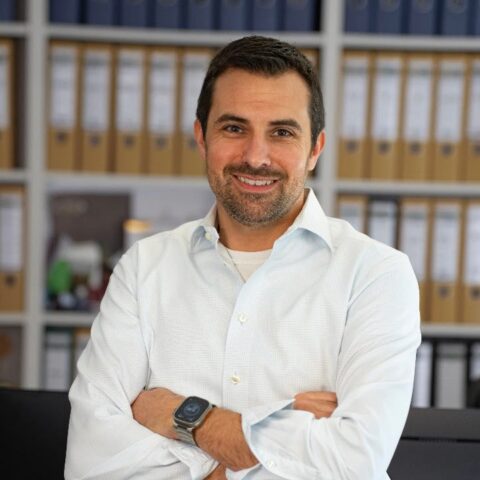
Rob Kern holds an extremely important position in the international hunting and conservation community. As Managing
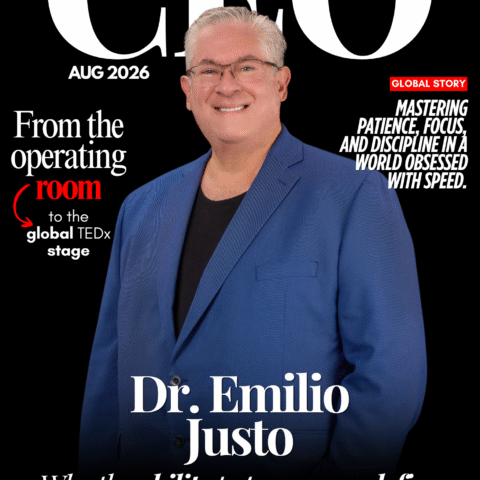
For nearly four decades, Dr. Emilio Justo built his career in a profession where precision matters

From personal influence to meaningful enterprise, Dalal Abdullah is building a business philosophy rooted in trust,
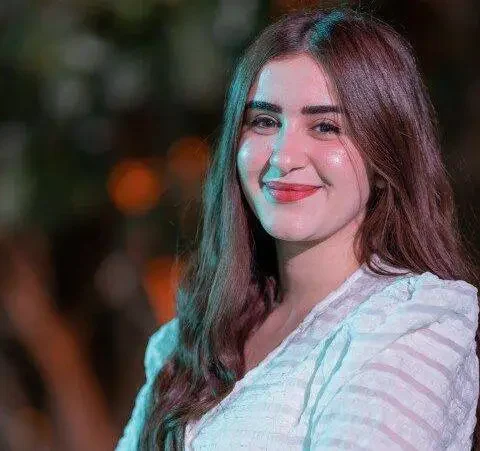
In an era where attention is abundant but trust is rare, Ibtissem Mannai stands out as