


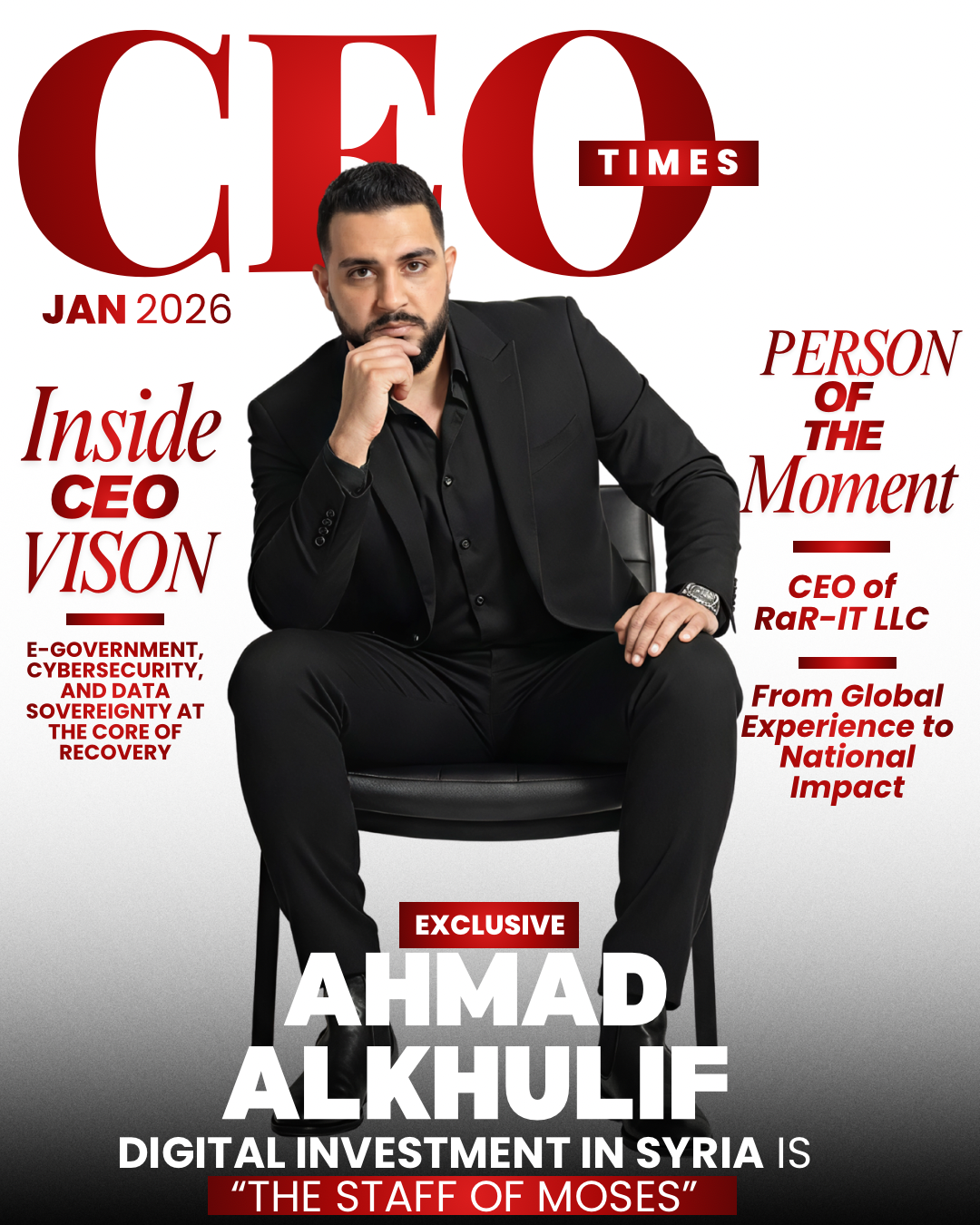
In a time when nations are redefining their futures through innovation rather than waiting for perfect conditions, Ahmad Alkhulif, CEO of RaR-IT LLC, stands at the forefront of a bold and deeply intentional vision for Syria’s digital transformation. In a recent interview with our magazine, Alkhulif spoke with clarity, conviction, and strategic depth about how technology can become the most powerful lever for national renewal.

After more than a decade working across international markets on advanced software systems, smart platforms, and complex digital infrastructures, Alkhulif believes the true value of global exposure lies in its ability to create local impact. For him, returning this accumulated expertise to Syria is not a symbolic gesture but a necessary step in rebuilding state capacity and revitalizing the economy.
“Global exposure has value only when it is transformed into local impact,” he emphasized. This belief now shapes RaR-IT’s long-term commitment to Syria, positioning technology as a central pillar in rebuilding institutions and enabling sustainable growth.
A major focus of the discussion was institutional cooperation. Alkhulif revealed that RaR-IT has signed multiple memoranda of understanding with Syrian ministries, universities, and a wide range of public and private sector institutions. These agreements are designed not as formalities, but as operational frameworks that initiate real transformation.
Their scope includes automating administrative processes, modernizing legacy systems, digitizing public records, and developing human capital capable of sustaining digital progress over the long term. According to Alkhulif, these partnerships reflect a shared understanding that transformation must be structured, measurable, and locally owned.
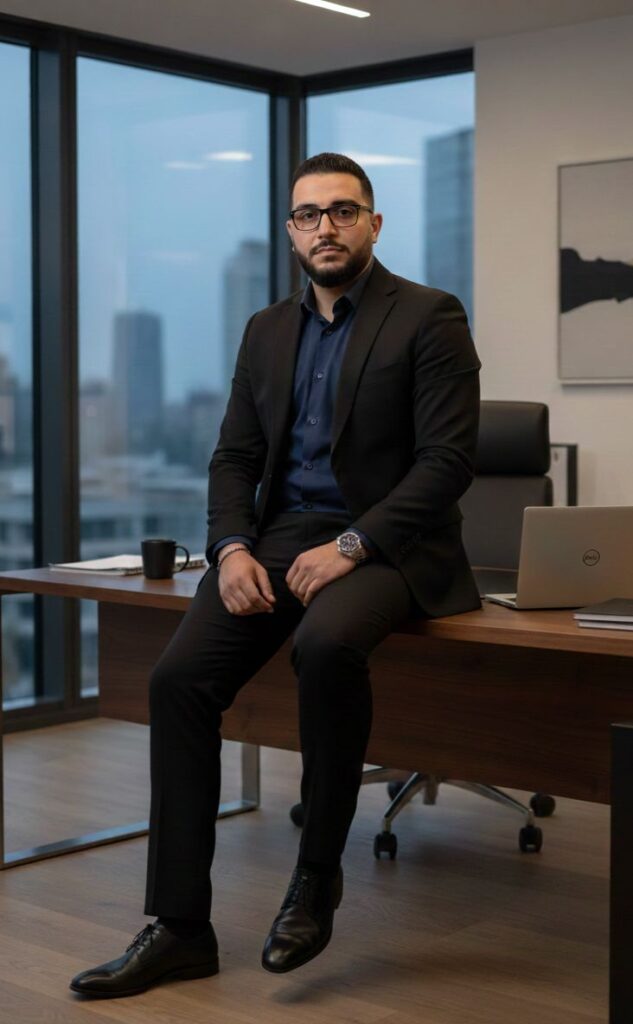
Alkhulif noted a significant and encouraging shift within Syrian public institutions. Decision-makers and policy leaders increasingly recognize that digital transformation is no longer optional. Modern governance, efficient service delivery, and economic competitiveness all depend on secure, resilient, and locally controlled digital infrastructure.
One of Alkhulif’s most widely quoted statements, “digital investment in Syria is the staff of Moses,” captures the essence of his philosophy. In environments shaped by structural and economic constraints, digital systems can deliver immediate and scalable results, opening paths where traditional solutions remain blocked.
Drawing on RaR-IT’s international portfolio, Alkhulif highlighted the company’s expertise in e-government platforms, digital payments, cybersecurity, data management, and scalable system architecture. These capabilities are now being redirected toward Syria’s national priorities, with a strong emphasis on data sovereignty, system interoperability, and institutional transparency.

Equally important is human capital. Alkhulif stressed the need for deep collaboration between universities and the technology sector to ensure that transformation is powered by skilled local talent.
As the conversation concluded, Alkhulif made it clear that RaR-IT’s mission in Syria goes far beyond software development. The company aims to help build a sustainable digital state architecture that empowers institutions, serves citizens efficiently, and generates real economic value.
“What we have learned globally over a decade, we are now placing in the service of Syria,” he said. “Digital investment is not a trend for us. It is a national responsibility and a decisive tool for the future.”
In the world of entrepreneurship, access to capital can determine whether a promising idea grows into
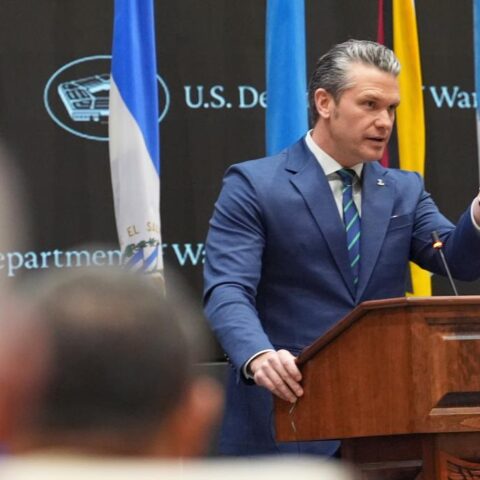
A major dispute between the U.S. government and one of the world’s leading artificial intelligence companies

A high-profile artificial intelligence startup has filed a lawsuit against its former chief executive, accusing him
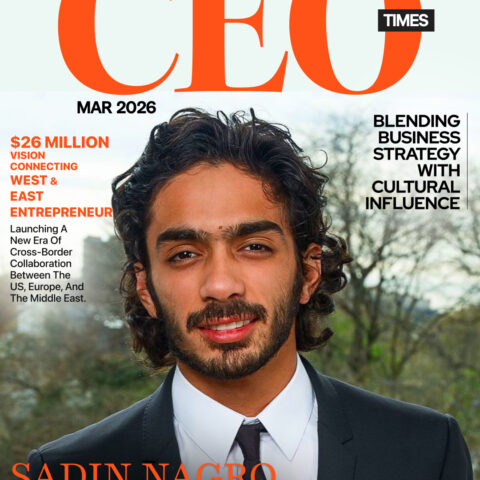
In a bold move that reflects both entrepreneurial foresight and cultural diplomacy, Sadin Nagro has unveiled

In a move underscoring pragmatism over rivalry, Microsoft has unveiled a new partnership with Starlink, the