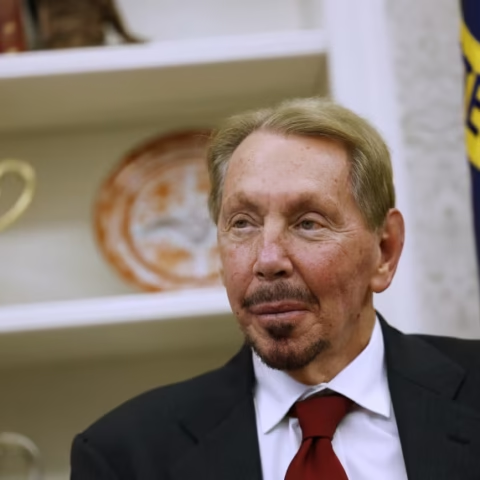





The Oracle founder’s unprecedented personal guarantee to support his son’s Warner Bros. Discovery takeover could redefine both his $250B fortune and the future of Hollywood power dynamics.

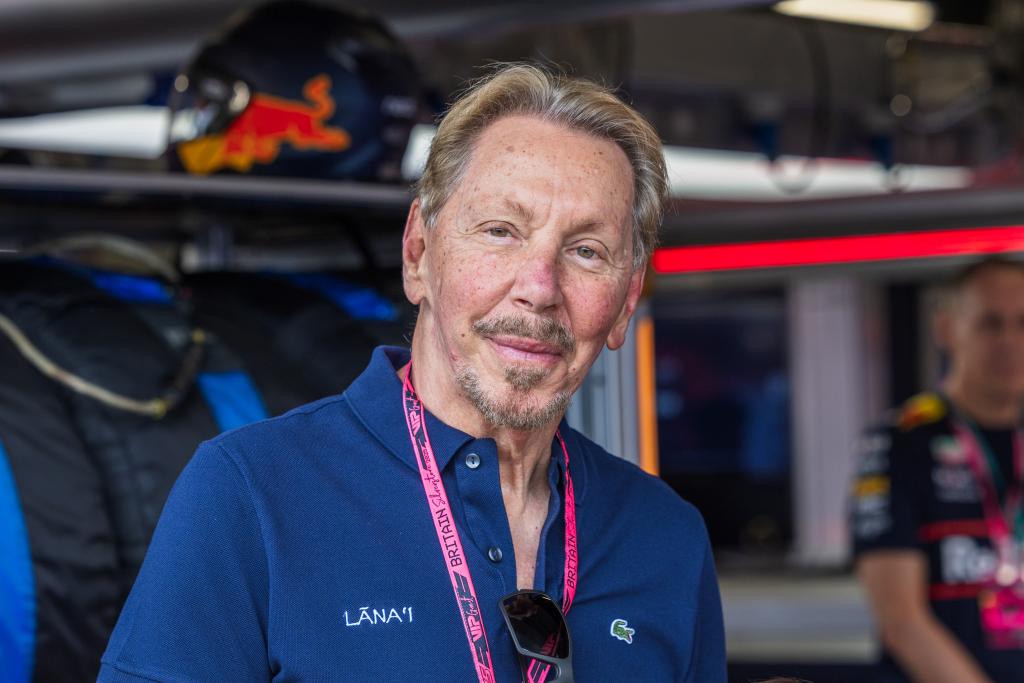
The Oracle founder’s unprecedented personal guarantee to back his son’s hostile bid for Warner Bros. Discovery could reshape his $250B empire—and the media industry.
Larry Ellison, the 81-year-old founder of Oracle and one of the world’s richest individuals, is making the boldest financial move of his life—one that places a significant portion of his $252 billion fortune at risk in a high-stakes Hollywood power play led by his son.
Ellison has agreed to personally guarantee up to $40.4 billion to support Paramount Skydance’s hostile all-cash bid for Warner Bros. Discovery, a dramatic escalation aimed at salvaging the deal after the media giant rejected earlier offers as financially unreliable. The move marks Ellison’s largest-ever personal financial commitment and signals an extraordinary shift in how he is willing to deploy his wealth.
The guarantee, disclosed this week, is designed to address Warner Bros. Discovery’s concerns that earlier backing—channeled through a revocable family trust—did not constitute a true financial backstop. The studio had instead leaned toward a rival cash-and-stock offer from Netflix, citing doubts about the certainty of Ellison’s support.
By placing his personal balance sheet directly on the line, Ellison removes that objection—but not without significant consequences.
For decades, Ellison has built and preserved the world’s third-largest fortune by holding tightly to his Oracle shares, rarely selling stock and instead borrowing against it to fund investments, real estate purchases, and an opulent lifestyle. That strategy is now under pressure.
According to Oracle’s 2025 proxy statement, roughly 30% of Ellison’s Oracle stake is already pledged as collateral for personal loans—shares now valued at approximately $69 billion, after rising about 25% over the past year. His remaining unpledged shares are worth another $161 billion, underscoring just how illiquid much of his wealth remains.

While Oracle’s board has stated it does not view Ellison’s loan arrangements as risky—emphasizing that none are margin loans—the sheer scale of the Paramount guarantee introduces a new level of strain. Funding a commitment north of $40 billion could force Ellison to do what he has spent years avoiding: sell Oracle shares or materially reduce his exposure to the company that made him rich.
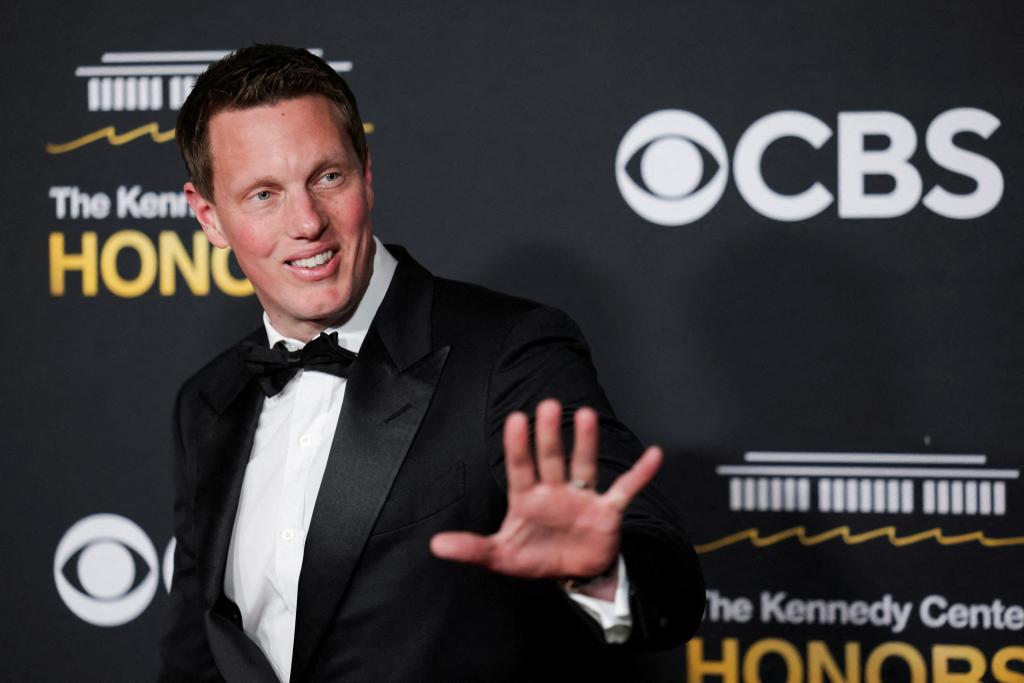
The implications go beyond personal finance. If successful, the deal would concentrate more of Ellison’s wealth in a highly leveraged media conglomerate, far removed from enterprise software and cloud computing. The combined entity would be led by his 42-year-old son, David Ellison, CEO of Paramount Skydance, who has rapidly emerged as a major force in Hollywood.
David Ellison’s Skydance Media only recently completed its takeover of Paramount’s parent company, National Amusements, in July—a deal that required about $8 billion, much of it backed by Larry Ellison himself. The proposed acquisition of Warner Bros. Discovery would take that bet to an entirely new level.
Earlier financing plans for the bid included backing from partners such as the Qatar Investment Authority, RedBird Capital Partners, and Affinity Partners, with equity guarantees tied to Ellison’s trust. Warner Bros. Discovery’s board rejected that structure outright. In a Dec. 17 letter to shareholders, the company accused Paramount of misleading investors by claiming it had a “full backstop,” arguing that a revocable trust was no substitute for a personal guarantee from a controlling stockholder.
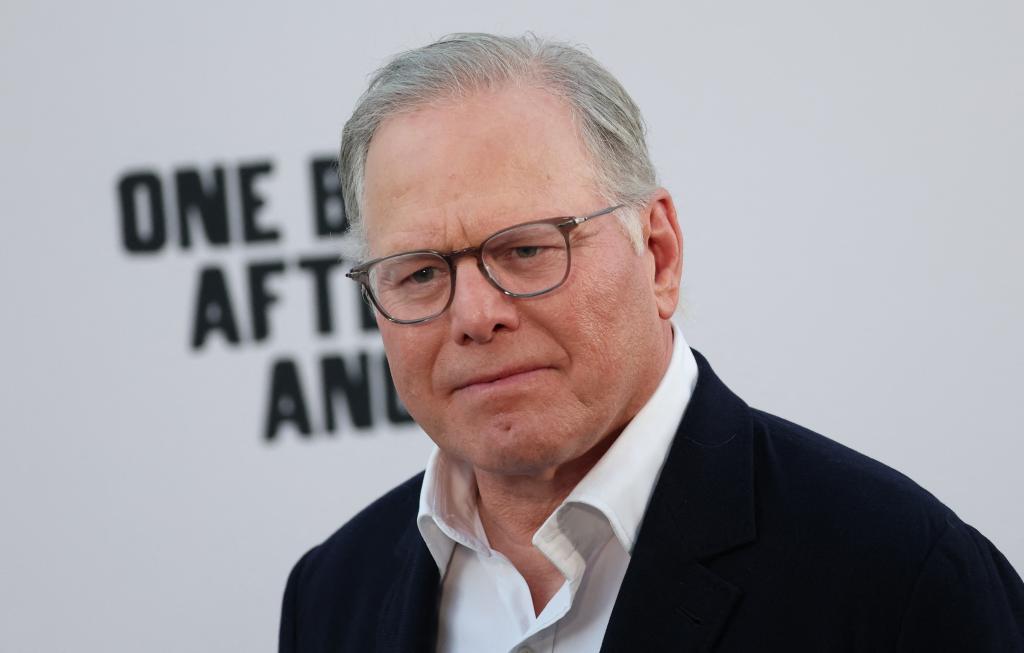
The revised bid answers that criticism directly. In addition to guaranteeing up to $40.4 billion in equity, Ellison has also agreed to cover potential damages claims related to the transaction—further increasing his exposure.
Historically, Ellison has been remarkably disciplined. Since 2010, he has sold only about $7.5 billion worth of Oracle shares, never more than $1 billion in a single year, while collecting roughly $15 billion in pretax dividends. That patience paid off handsomely in 2025, when Oracle shares surged 168% from an April low to mid-September, including a single-day 36% jump on Sept. 10 that briefly made Ellison the world’s richest person.
Although those gains have since cooled, Oracle stock remains up more than 18% for the year, and Ellison’s net worth has increased by roughly $60 billion since January.
Yet much of his non-stock wealth offers little immediate flexibility. Hundreds of millions are tied up in real estate, art, and illiquid assets, including most of the Hawaiian island of Lanai, purchased for about $300 million in 2012, along with luxury resorts, hotels, and commercial properties in Florida, California, and Hawaii.
All of it underscores the magnitude of the Paramount gamble.
For Larry Ellison, this is no longer just a financial maneuver—it is a defining moment that tests the limits of his legendary discipline, reshapes his exposure to risk, and places his legacy at the intersection of Silicon Valley wealth and Hollywood ambition. Whether it proves visionary or perilous, one thing is clear: Ellison has never bet bigger.

The road to recovery is proving more difficult than expected for Nike, as the company grapples

In a significant misstep within the rapidly evolving artificial intelligence sector, Anthropic is scrambling to contain

In a move that could redefine global capital markets, Elon Musk’s SpaceX has confidentially filed for
In the world of entrepreneurship, access to capital can determine whether a promising idea grows into
A major dispute between the U.S. government and one of the world’s leading artificial intelligence companies