




A bold bet on growth, legacy, and the future of storytelling as Netflix positions itself to reshape Hollywood’s creative and theatrical landscape

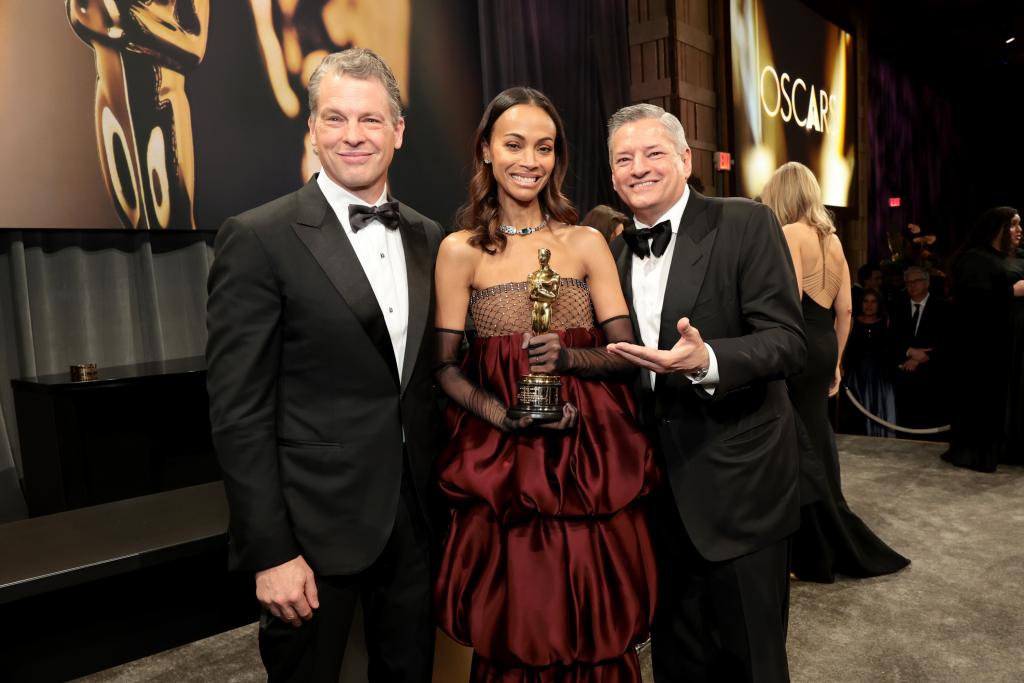
Co-CEOs Ted Sarandos and Greg Peters position a Warner Bros. Discovery merger as a growth-first vision for film, television, and theatrical storytelling
Netflix is making a bold case for reshaping Hollywood’s future. In a detailed memo to employees, co-CEOs Ted Sarandos and Greg Peters laid out their strategic rationale for acquiring the streaming and studio assets of Warner Bros. Discovery (WBD), as the company faces heightened scrutiny and a hostile rival bid from Paramount Skydance.
The $72 billion Netflix proposal, announced on December 5, would bring HBO, HBO Max, and Warner Bros. Studios under the Netflix umbrella — a move that, if approved, would unite the world’s largest streaming platform with one of the most iconic studios in film history. The bid comes just days before Paramount made a competing all-cash offer valuing the entire Warner Bros. Discovery at approximately $78 billion.
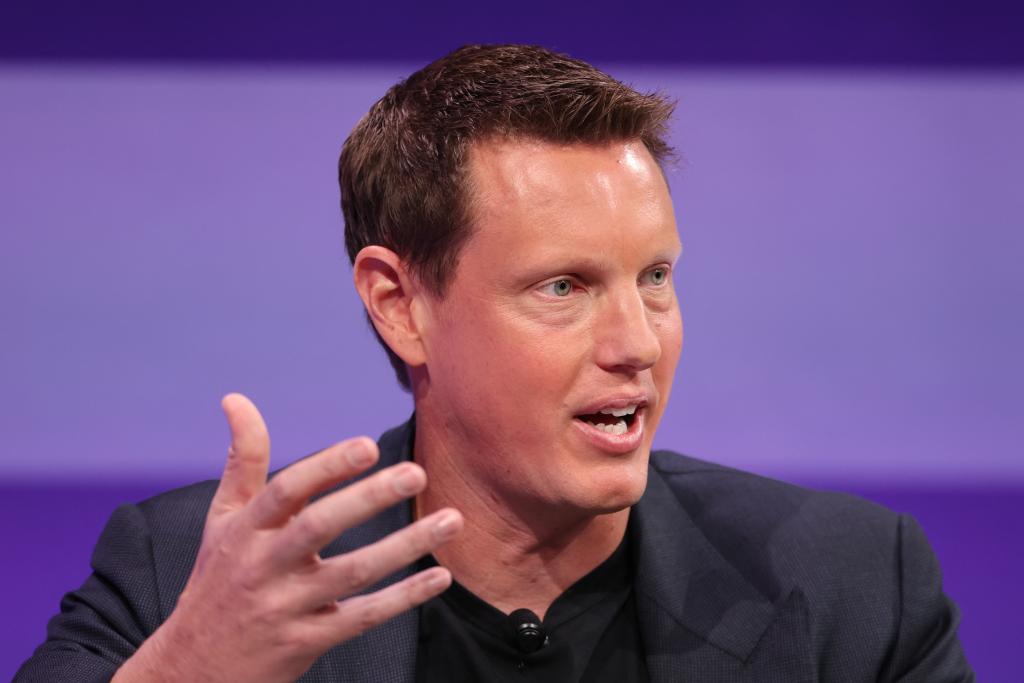
In their letter, Sarandos and Peters sought to calm anxieties across the entertainment industry, particularly concerns about mass layoffs, studio closures, and the fate of theatrical releases — a sensitive topic given Sarandos’ past comments describing cinema-going as an “outdated” experience.
“We haven’t prioritized theatrical in the past because that wasn’t our business at Netflix,” the CEOs wrote. “When this deal closes, we will be in that business.”
They emphasized that the acquisition is not about consolidation at the expense of creativity or jobs. “There will be no overlap or studio closures,” the memo promised, framing the deal as an investment in long-term growth rather than cost-cutting.
“This deal is about growth,” they added. “We’re strengthening one of Hollywood’s most iconic studios, supporting jobs, and ensuring a healthy future for film and TV production.”
Netflix’s offer values the streaming and studio assets of WBD at $27.75 per share, with the company arguing that shareholders will ultimately receive more than $30 per share once WBD’s cable assets — including CNN, TNT, Food Network, and TLC — are spun off.
By contrast, Paramount Skydance’s hostile bid, led by CEO David Ellison, offers shareholders an immediate $30 per share cash payout for the entire company. While the Paramount deal may appear more lucrative upfront, Netflix leadership insists its proposal delivers greater long-term value.
“It was entirely expected,” the CEOs said of the Paramount bid. “But we have a solid deal in place.”
A major hurdle remains regulatory approval. If successful, the Netflix-Warner Bros. Discovery merger would unite the No. 1 and No. 3 streaming platforms, raising antitrust red flags in Washington. Senator Elizabeth Warren has already weighed in, calling Paramount’s bid a “five-alarm antitrust fire” and previously labeling Netflix’s offer an “anti-monopoly nightmare.”
Netflix, however, argues that the combined entity would still trail platforms like YouTube in overall viewership share. Citing Nielsen data, Sarandos and Peters suggested the merger would result in a smaller share of total viewing time than either YouTube or a potential Paramount–Warner Bros. combination.
Should the deal go through, Netflix would assume stewardship of one of Hollywood’s most storied legacies. Warner Bros. is the studio behind timeless classics such as Casablanca and The Wizard of Oz, as well as global franchises including Harry Potter and The Lord of the Rings. Netflix would also gain control of HBO — widely regarded as the gold standard of television — home to landmark series like The Sopranos, Game of Thrones, and Curb Your Enthusiasm.
For Sarandos and Peters, the acquisition represents more than scale; it’s about evolution. By combining Netflix’s global reach and data-driven distribution with Warner Bros.’ century-old storytelling heritage, the company aims to bridge streaming, studios, and theatrical releases into a single, future-ready ecosystem.
As Hollywood watches closely, the proposed merger stands as one of the most consequential media deals ever — one that could redefine how stories are made, distributed, and experienced in the decades to come.

The road to recovery is proving more difficult than expected for Nike, as the company grapples

In a significant misstep within the rapidly evolving artificial intelligence sector, Anthropic is scrambling to contain

In a move that could redefine global capital markets, Elon Musk’s SpaceX has confidentially filed for
In the world of entrepreneurship, access to capital can determine whether a promising idea grows into
A major dispute between the U.S. government and one of the world’s leading artificial intelligence companies