




Lawmakers grill Netflix co-CEO Ted Sarandos over an $82.7 billion acquisition that could reshape competition across the entertainment industry

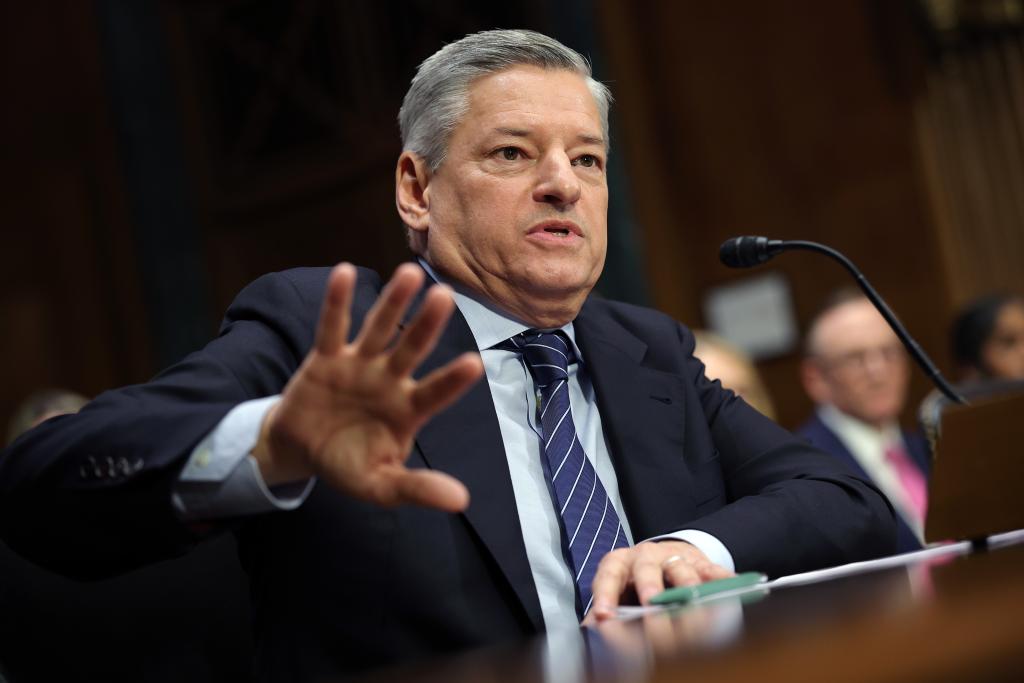
Washington, D.C. — Netflix’s proposed $82.7 billion acquisition of Warner Bros. Discovery came under intense scrutiny on Tuesday as U.S. senators raised concerns that the deal could fundamentally alter competition across the entertainment and streaming landscape.
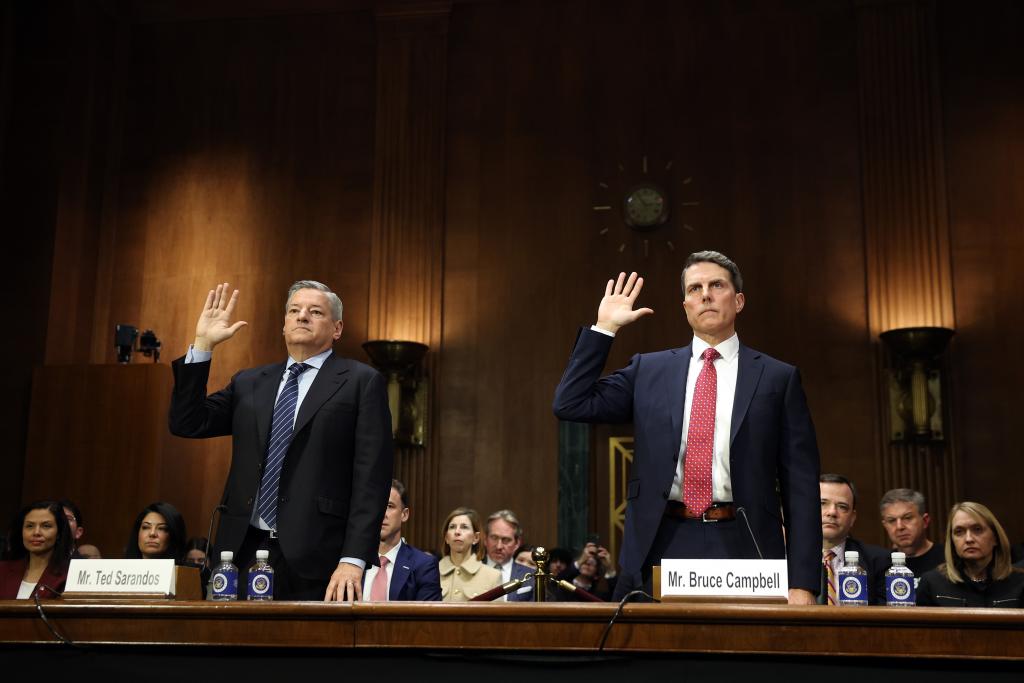
At a hearing before the Senate Judiciary Committee’s Subcommittee on Antitrust, Competition Policy, and Consumer Rights, Netflix co-CEO Ted Sarandos and Bruce Campbell, Warner Bros. Discovery’s Chief Revenue and Strategy Officer, testified on the potential implications of the landmark transaction. The session was led by Senator Mike Lee (R-Utah), who warned that the deal could reduce competition, limit job opportunities for creatives, and concentrate unprecedented power in a single streaming platform.
“Netflix seeks to become the one platform to rule them all,” Lee said, arguing that the acquisition could diminish choice for consumers while restricting opportunities for writers, actors, and other entertainment workers. He also cautioned that Netflix could divert films away from theatrical releases and limit rival platforms’ access to Warner Bros.’ most valuable content.
While Congress does not have the authority to block the deal outright, lawmakers from both political parties used the hearing to demand clarity on how the transaction would affect consumers, workers, and competitors. The Department of Justice is currently reviewing the acquisition, alongside a competing hostile bid from Paramount Skydance.
Both Netflix and Paramount are pursuing Warner Bros. Discovery for its iconic film and television studios, extensive content library, and globally recognized franchises including “Game of Thrones,” “Harry Potter,” and DC Comics’ superheroes such as Batman and Superman.
Paramount has argued that its bid would face fewer regulatory hurdles. However, Warner Bros. has repeatedly rejected Paramount’s offers, citing concerns that the deal would saddle the company with excessive debt. Paramount’s CEO, David Ellison, is the son of billionaire Oracle co-founder Larry Ellison, who has cultivated a close relationship with President Donald Trump—a dynamic that has added political intrigue to the regulatory review.
During the hearing, Senator Cory Booker (D-NJ) pressed Sarandos on the role President Trump might play in the review process, noting that Trump publicly stated he would be involved shortly after the deal was announced.
“I don’t know if he’s involved or not,” Sarandos responded.
Netflix has defended its position by pointing to data from media analysis firm Nielsen, which shows YouTube accounting for more television viewing time in the U.S. than any other streaming service. However, antitrust experts suggest regulators are likely to focus on a narrower market definition—specifically subscription-based streaming platforms—rather than overall screen time across ad-supported and user-generated content.
Senator Lee challenged Sarandos on this distinction, questioning whether it was appropriate to compare Netflix’s professionally produced films and series with YouTube’s largely ad-supported content.
Sarandos acknowledged that there is no publicly available breakdown of exactly what viewers watch on YouTube, but emphasized the competitive nature of the market. “Capturing U.S. television viewing is a zero-sum game,” he said. “If you’re watching YouTube, HBO Max, you’re not watching Netflix, you’re not watching CBS.”
Other lawmakers echoed concerns about the broader impact of consolidation on the entertainment industry. Senator Josh Hawley (R-Missouri) highlighted declining film production days in Los Angeles, pointing to fears that fewer major players could mean fewer opportunities for creative workers nationwide.
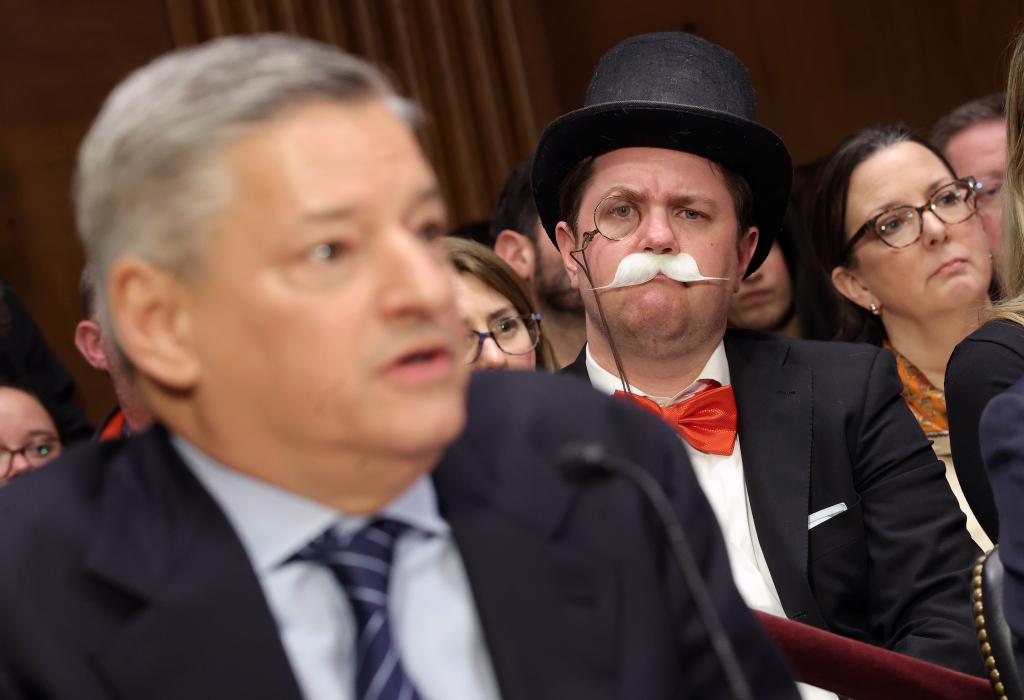
The atmosphere of the hearing underscored the intensity of the debate. At one point, an audience member dressed as Mr. Monopoly sat in the room as Sarandos testified—a visual reminder of the antitrust anxieties surrounding the deal.
As the DOJ continues its review, the Netflix–Warner Bros. Discovery deal stands at the center of a defining moment for the future of streaming, media consolidation, and competition policy in the United States. Whether regulators ultimately approve, block, or impose conditions on the acquisition, the outcome is likely to shape how content is produced, distributed, and consumed for years to come.
For now, one thing is clear: lawmakers are not convinced that an industry dominated by fewer, larger players will serve the best interests of consumers—or the creative workforce that powers Hollywood.

The road to recovery is proving more difficult than expected for Nike, as the company grapples

In a significant misstep within the rapidly evolving artificial intelligence sector, Anthropic is scrambling to contain

In a move that could redefine global capital markets, Elon Musk’s SpaceX has confidentially filed for
In the world of entrepreneurship, access to capital can determine whether a promising idea grows into
A major dispute between the U.S. government and one of the world’s leading artificial intelligence companies