





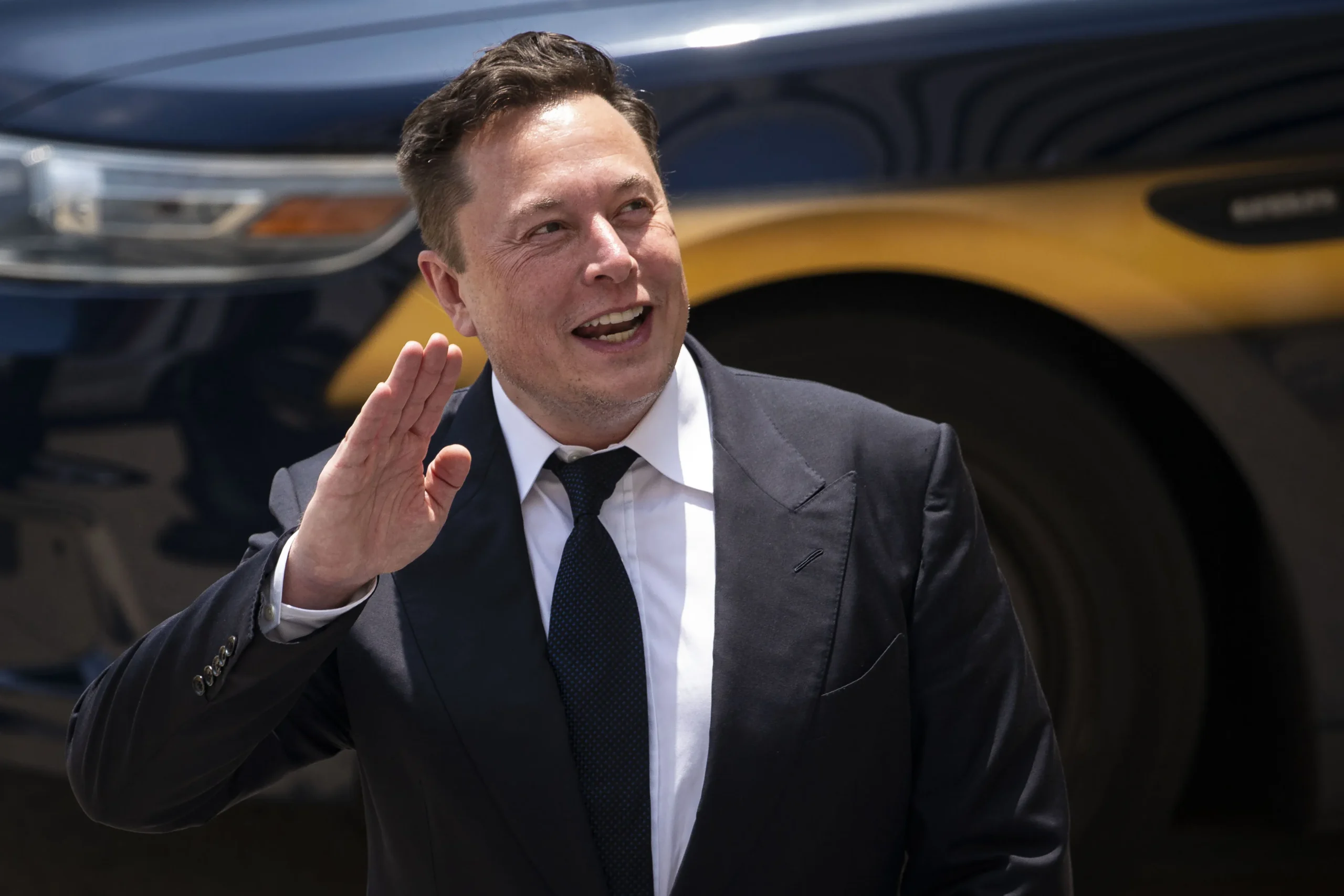
In a decisive signal of transformation, Elon Musk has made it clear that Tesla is entering one of the most capital-intensive phases in its history. Speaking to analysts following a surprisingly strong first-quarter performance, Musk emphasized that the company’s spending will rise “substantially in the future,” as it accelerates investments in artificial intelligence, autonomous vehicles, and robotics.
The announcement underscores a pivotal moment for Tesla—one where its identity is evolving beyond electric vehicles into a broader vision of AI-powered mobility and intelligent machines.
A New Investment Era Begins
Tesla’s Chief Financial Officer, Vaibhav Taneja, outlined the scale of this ambition by raising the company’s capital expenditure forecast to $25 billion for the year, a sharp increase from $9 billion in 2025. Earlier projections had already hinted at spending exceeding $20 billion in 2026, but the revised outlook signals an even more aggressive trajectory.
“We are in a very big capital investment phase… which is going to start now and would last a couple of years,” Taneja stated, reinforcing that Tesla is prioritizing long-term growth over short-term profitability.
Despite reporting positive free cash flow of $1.44 billion in the first quarter—a significant beat against expectations of a $1.43 billion cash burn—the company warned that free cash flow is expected to turn negative for the remainder of 2026 as investments ramp up.
Musk, however, remains confident in the strategy, describing the increased spending as “well justified” by the prospect of a substantially larger future revenue stream.
Beyond Cars: AI, Robotaxis, and Humanoid Robots
At the heart of Tesla’s strategy lies a bold pivot toward technologies that could redefine transportation and labor markets. The company is channeling resources into:
- AI-powered self-driving systems
- Fully autonomous vehicles like the Cybercab
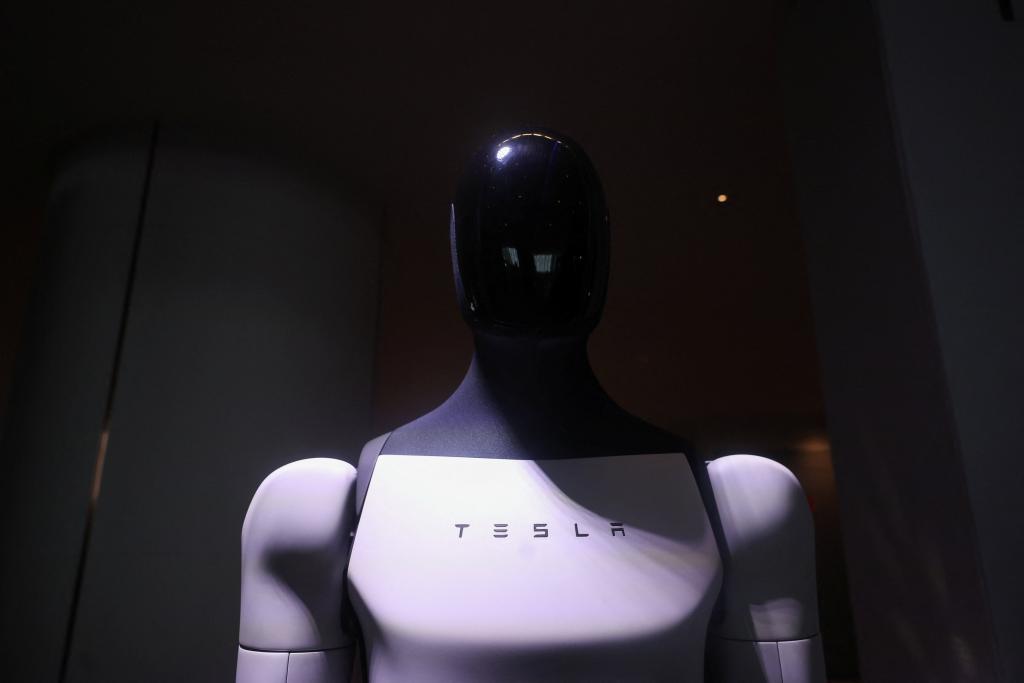
- Humanoid robotics, including the Optimus robot
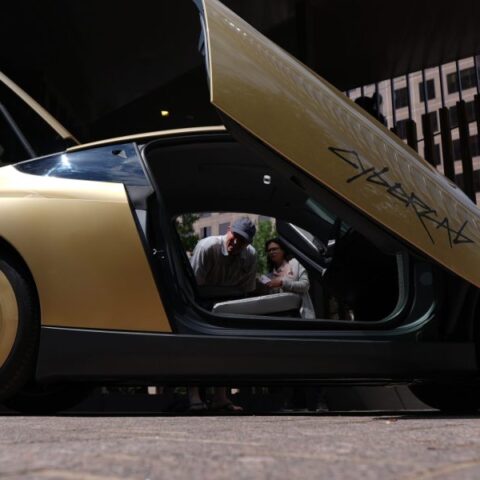
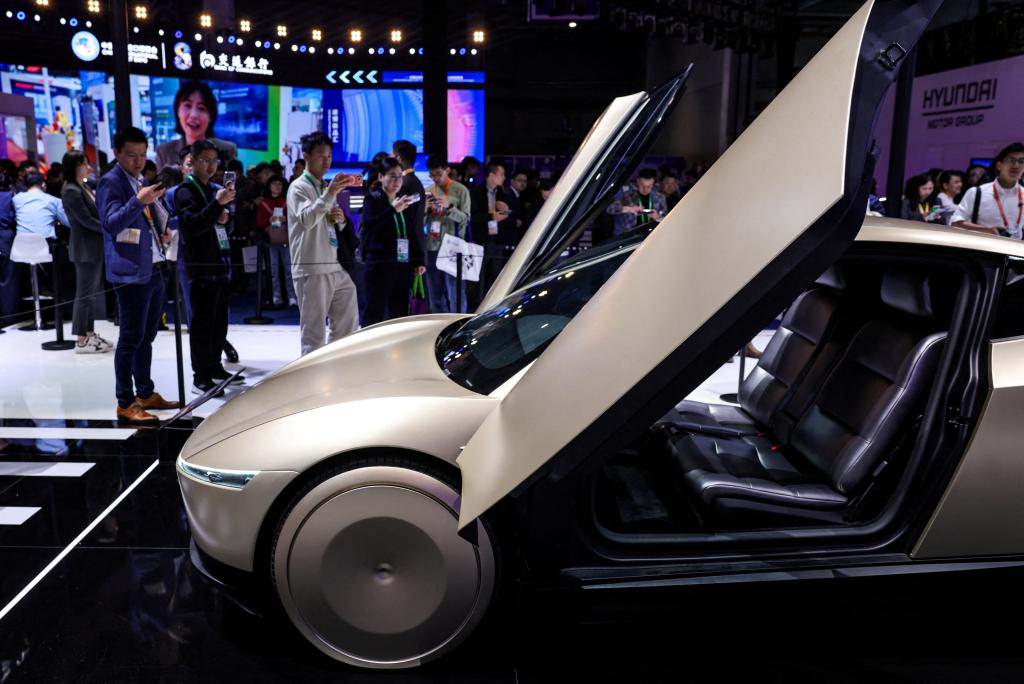
The Cybercab—designed without a steering wheel or pedals—represents Tesla’s vision for a fully autonomous future. The company is preparing to begin volume production later this year, marking a critical milestone in its autonomy roadmap.
Meanwhile, Tesla has already begun expanding its robotaxi services, rolling out Model Y robotaxis in cities such as Dallas and Houston, with plans to extend operations to additional locations across Arizona, Florida, and Nevada.
These initiatives reflect a broader ambition: to transition from a car manufacturer into a platform-driven AI and robotics company, where vehicles, software, and automation converge.
Financial Performance Amid Strategic Transition
Tesla’s first-quarter results present a complex picture. While profits exceeded Wall Street expectations, revenue came in at $22.39 billion, slightly below the anticipated $22.6 billion.
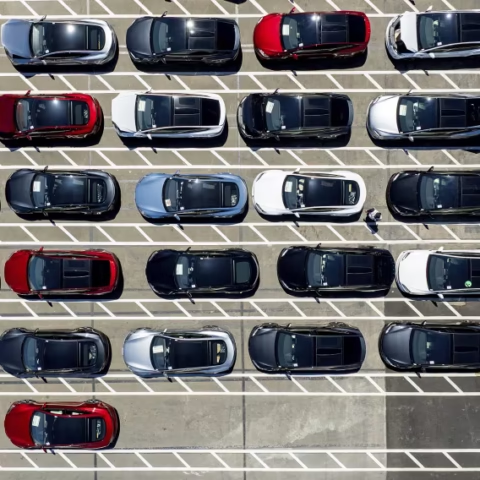
The company also delivered fewer vehicles than analysts had forecast, though deliveries still rose 6.3% year-over-year, signaling resilience despite mounting challenges.
Demand trends varied across regions, with Tesla reporting growth in Asia-Pacific and South America, alongside a rebound in Europe, the Middle East, Africa, and North America.
However, the core automotive business is facing increasing pressure. Competitors are introducing newer, often more affordable models, while the expiration of U.S. electric vehicle tax incentives has added further strain.
Product Strategy and Market Competition
In response to pricing pressures, Tesla has adjusted its product strategy. After canceling plans for a new low-cost EV platform in 2024, the company introduced more affordable “Standard” versions of its popular Model 3 and Model Y.
At the same time, development is underway for a smaller, lower-cost electric SUV, with potential production in China and expansion to the U.S. and Europe. However, the project remains in its early stages and is unlikely to reach mass production in the near term.
Analysts have responded cautiously, revising delivery forecasts downward. Current expectations suggest Tesla will deliver 1.67 million vehicles in 2026, representing modest growth of 2.4%.
Energy Division: A Bright Spot
Amid challenges in the automotive segment, Tesla’s energy generation and storage business has emerged as a key growth driver. Strong demand for grid-scale battery systems—essential for supporting renewable energy and stabilizing power networks—has positioned this division as a critical pillar of the company’s future.
This diversification highlights Tesla’s broader ambition to play a central role in the global energy transition, extending its influence beyond transportation.
Regulatory and Global Expansion Challenges
Tesla’s push into autonomy also faces regulatory hurdles. In Europe, the Dutch vehicle authority RDW has initiated steps toward securing EU-wide approval for Tesla’s Full Self-Driving software—a move that could significantly expand the technology’s reach if successful.
Meanwhile, the company continues to navigate operational complexities across global markets, balancing innovation with regulatory compliance and execution challenges.
Investor Sentiment and Market Reaction
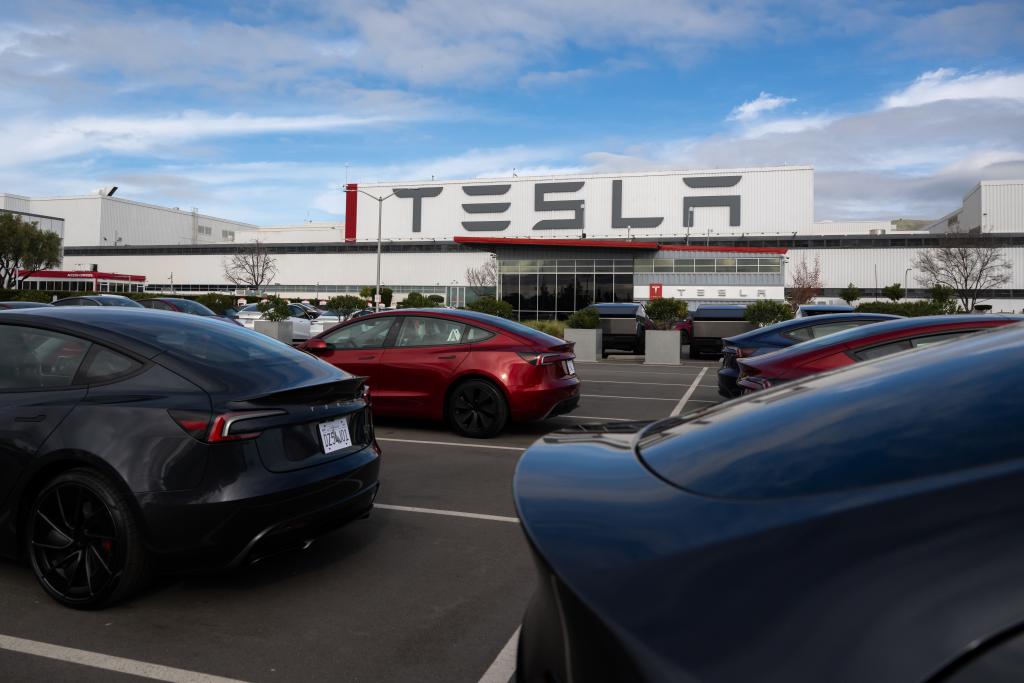
Initially, Tesla’s stock rose as much as 4% following the earnings release. However, those gains were largely erased after executives detailed the scale of upcoming investments, highlighting investor concerns over near-term profitability and cash flow pressures.
The reaction reflects a familiar tension: while Tesla’s long-term vision remains compelling, the path to realizing it is increasingly capital-intensive and uncertain.
A Defining Bet on the Future
With a market valuation of approximately $1.45 trillion, much of Tesla’s worth now hinges on the success of its AI and robotics ambitions. Musk’s strategy represents a high-risk, high-reward bet—one that could redefine industries if successful, or strain resources if execution falls short.
As Tesla embarks on this transformative journey, one thing is clear: the company is no longer just building electric cars. It is attempting to engineer the future of intelligent systems, autonomous mobility, and human-machine interaction.
Whether this vision translates into sustained dominance will depend not only on innovation—but on Tesla’s ability to deliver at scale in an increasingly competitive and complex global landscape.