



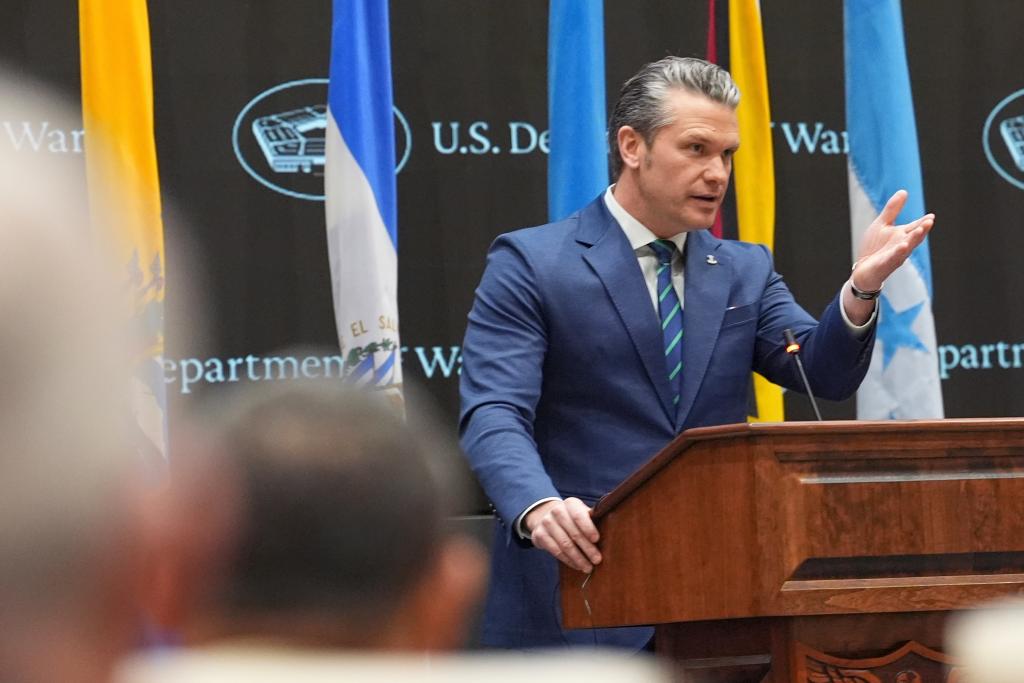
A major dispute between the U.S. government and one of the world’s leading artificial intelligence companies has intensified after the Pentagon reportedly informed Anthropic that it will be formally designated a “supply-chain risk.”
According to a report by the Wall Street Journal, officials from the United States Department of Defense notified executives at Anthropic that the company’s AI systems — including its chatbot Claude AI chatbot — could pose security risks for the U.S. military.
The move comes just days after Anthropic CEO Dario Amodei circulated a lengthy internal memo criticizing the government’s stance toward the company and accusing rival AI firm OpenAI of misrepresenting the dispute.
Disagreement Over Military Use of AI
The conflict centers on the conditions under which Anthropic’s artificial intelligence could be used by the U.S. military.
Anthropic reportedly sought to restrict government use of its AI technology for mass domestic surveillance and fully autonomous weapons systems. However, U.S. defense officials have argued that such limitations are too restrictive.
Pete Hegseth, the U.S. Secretary of Defense, has stated that the Pentagon should be able to deploy AI tools for “all lawful purposes.”
A senior Pentagon official told the Journal that the military would not allow vendors to restrict the lawful use of technologies that could support national defense operations.
“The military will not let a vendor put members of the armed services at risk,” the official said.
Potential Industry-Wide Consequences
If Anthropic is officially labeled a supply-chain risk, the decision could have significant consequences across the defense technology sector.
The designation could prevent organizations that work with the U.S. military from partnering with Anthropic, potentially affecting major investors and partners including Lockheed Martin, Amazon, and Google.
It would also mark one of the first times a U.S. technology company has received such a designation, signaling how national security concerns are increasingly shaping the AI industry.
Neither the Pentagon, Anthropic, nor OpenAI immediately responded to requests for comment regarding the reported decision.
CEO Accuses Government and Rival of Targeting Company
In a 1,600-word internal memo sent to staff members, Amodei suggested that the government’s actions were politically motivated.
He wrote that Anthropic may have been targeted because the company opposed the White House’s artificial intelligence agenda and had not shown what he described as “dictator-style praise” for Donald Trump.
Amodei also claimed the company was being punished because he had not financially supported Trump’s political campaign.
The CEO noted that he had instead donated to the presidential campaign of Kamala Harris, the former U.S. vice president.
Escalating Rivalry With OpenAI
Amodei also directed criticism toward OpenAI and its leadership.
In his message, he accused the company of spreading misinformation about Anthropic’s dealings with the government and described some statements about the dispute as “just straight up lies.”
He specifically referenced Greg Brockman, president of OpenAI, alleging that OpenAI had donated significantly to Trump while Anthropic had not.
“A lot of OpenAI and [Department of Defense] messaging just straight up lies about these issues or tries to confuse them,” Amodei wrote.
He also claimed that OpenAI was publicly promoting standardized contract terms for AI providers while privately working with the Pentagon to replace Anthropic once it received the supply-chain risk designation.
OpenAI Steps In With Pentagon Deal
The dispute intensified when OpenAI announced it would provide AI services to the Pentagon, a deal revealed shortly after talks between Anthropic and defense officials reportedly collapsed.
The timing raised concerns among some technology workers about how artificial intelligence might be used by governments, particularly in areas such as surveillance or military operations.
Amodei criticized the agreement, arguing that its safeguards were largely symbolic.
He described the protections in OpenAI’s contract as “maybe 20% real and 80% safety theater.”
Sam Altman Responds to Criticism
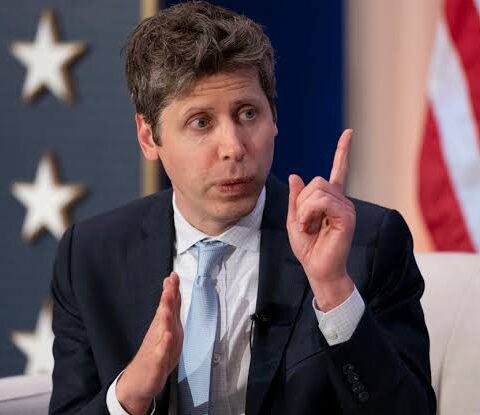
Speaking at a Morgan Stanley technology conference, Sam Altman, CEO of OpenAI, addressed the controversy and defended the company’s decision to work with the government.
“The government is supposed to be more powerful than private companies,” Altman said, adding that it would be harmful for society if businesses refused to cooperate with democratic institutions simply because they disagreed with political leadership.
Altman acknowledged, however, that the timing of OpenAI’s agreement with the Pentagon — which came just hours after negotiations with Anthropic reportedly broke down — “looked opportunistic and sloppy.”
Growing Debate Over AI and National Security
The escalating conflict highlights the increasingly complex relationship between AI developers, government agencies, and national security priorities.
As artificial intelligence becomes central to military strategy, transportation systems, and national infrastructure, companies like Anthropic and OpenAI are facing difficult questions about how their technologies should be used — and who ultimately controls them.
With negotiations stalled and tensions rising, the Pentagon’s reported designation could mark a pivotal moment in the growing intersection between artificial intelligence, politics, and defense policy.