



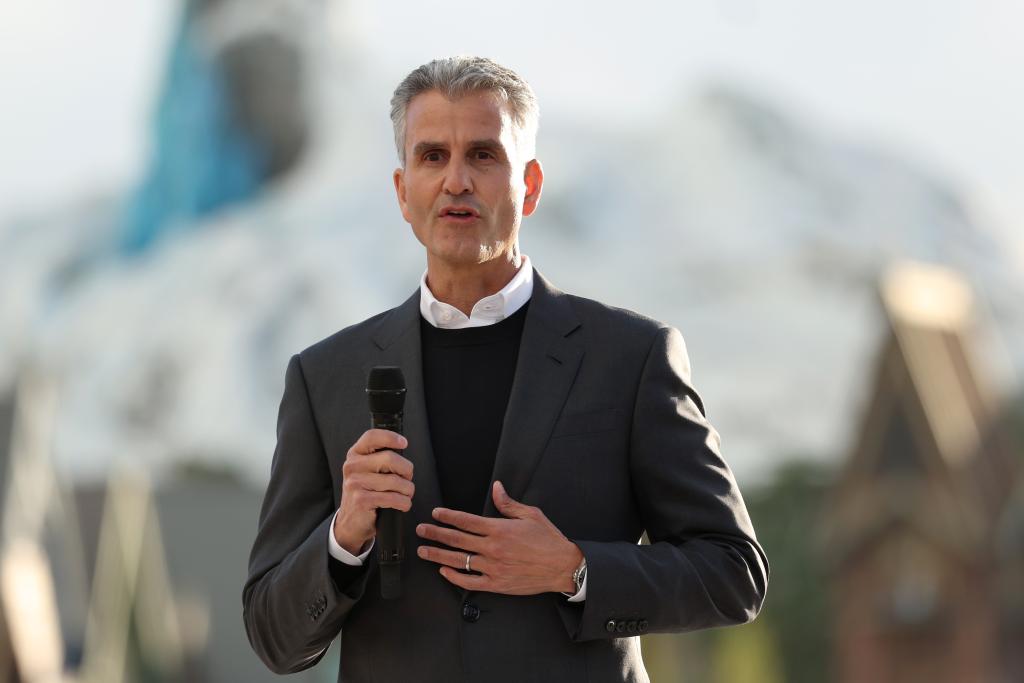
The Walt Disney Company has made a defining strategic decision regarding the future of ESPN, choosing to retain the network within its core business and shelving long-standing discussions about a potential spinoff.
The move, reported by Business Insider, marks one of the first major decisions by newly appointed CEO Josh D’Amaro, signaling a clear direction for the company as it navigates a rapidly evolving media landscape.
By keeping ESPN in-house, Disney is reinforcing its belief that sports will remain a central pillar of its long-term growth strategy. The decision comes at a time when traditional television is undergoing significant disruption, driven by the rise of streaming platforms and the steady decline of cable subscriptions.
Rather than spinning off ESPN as a standalone entity—a move that has been debated for years—Disney is choosing to integrate the network more deeply into its expanding streaming ecosystem. ESPN is expected to play a key role alongside platforms like Disney+ and Hulu, forming a bundled offering designed to attract and retain subscribers.
The company also plans to maintain ESPN’s presence across multiple distribution channels, including traditional cable, streaming bundles, and a standalone direct-to-consumer service.
For more than a decade, ESPN has been both a major strength and a complex challenge for Disney. Once considered a “profit-making colossus,” the network generated massive revenues through cable distribution fees. However, the rise of cord-cutting began to erode its subscriber base—a shift that former CEO Bob Iger publicly acknowledged as early as 2015.
This transformation sparked ongoing debates among investors and analysts, many of whom suggested spinning off ESPN to protect Disney from the declining cable business and unlock shareholder value.
As streaming disrupted traditional television economics, the pressure to reconsider ESPN’s role intensified. Yet Disney’s latest decision indicates confidence in the network’s long-term relevance—particularly as live sports remain one of the most valuable and resilient forms of content in the industry.
In addition to retaining ESPN, Disney is exploring ways to strengthen its value without giving up control. The company may continue bringing in strategic partners, similar to its previous deal involving the National Football League, which acquired a minority stake in ESPN.
This approach allows Disney to attract investment and expand partnerships while preserving ESPN as a core asset within its broader portfolio.
Executives have consistently described ESPN as central to Disney’s identity, even as they kept the option of a spin-off open. D’Amaro’s decision now appears to close that chapter—at least for the foreseeable future.
The move represents an early and significant test of leadership for Josh D’Amaro, who recently stepped into the CEO role. By choosing to keep ESPN within Disney, he is signaling confidence in the company’s ability to adapt and thrive in a streaming-first world.
At the same time, Disney faces broader challenges, including regulatory scrutiny from the Federal Communications Commission over its ABC broadcast licenses—an issue that adds further complexity to its evolving strategy.
Disney’s decision underscores a broader industry reality: while the traditional cable model may be declining, the value of premium sports content remains strong. By positioning ESPN at the center of its streaming ambitions, Disney is betting that live sports will continue to drive engagement, subscriptions, and long-term growth.
As the company reshapes its media ecosystem, ESPN is no longer seen as a liability—but as a strategic asset poised to lead Disney into its next era.


Tesla shares fell nearly 6% on Friday, closing at $354.08, after U.S. federal regulators opened an
OpenAI CEO Sam Altman has pushed back against growing concerns over the environmental impact of artificial

Lululemon’s turnaround has become increasingly difficult, with the athletic-apparel giant facing a steep decline in sales,
After 15 years at the helm of Apple, Tim Cook is preparing to step down as
The future of artificial intelligence may not belong exclusively to the handful of technology giants developing