



Billionaire entrepreneur accuses Sam Altman of betraying OpenAI’s nonprofit mission in high-stakes courtroom battle
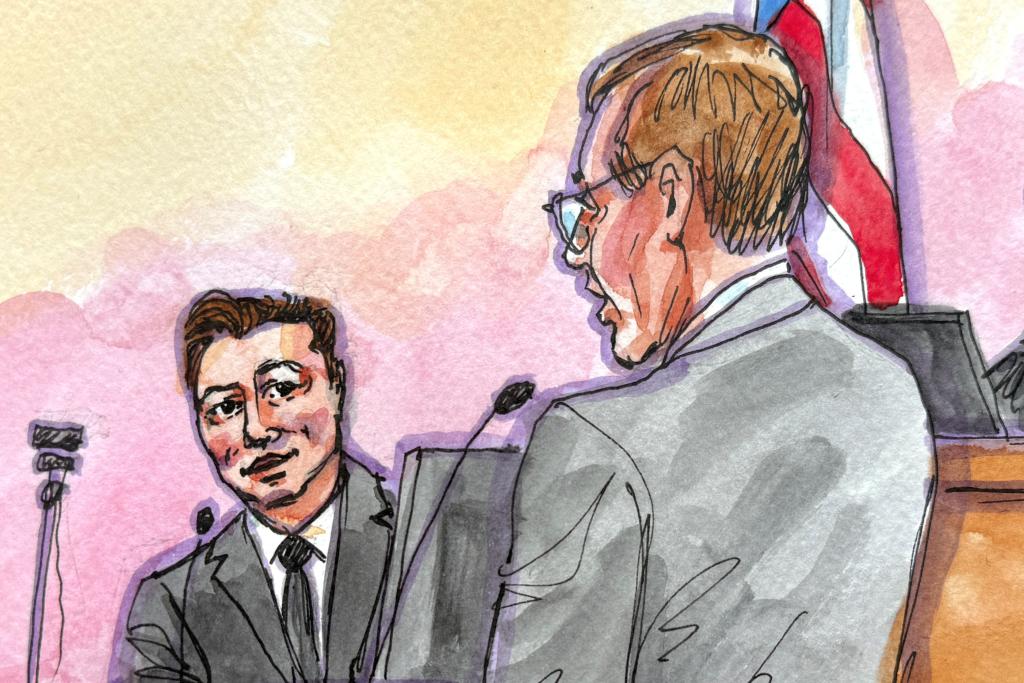
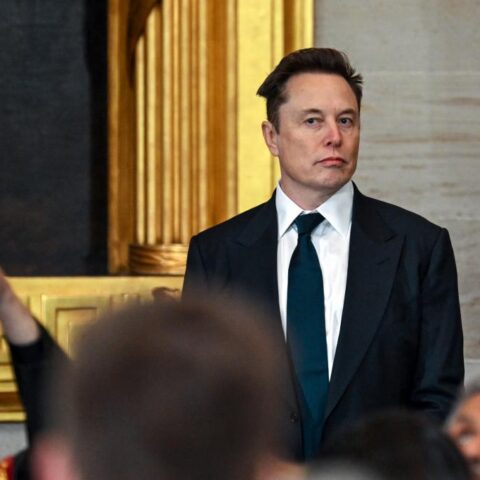
A dramatic legal battle over the future of artificial intelligence unfolded in a federal courtroom in Oakland, California, as Elon Musk delivered striking testimony, calling himself a “fool” for trusting Sam Altman during the early days of OpenAI.
Speaking on the second day of testimony, Musk told the court he regretted providing early financial support to the organization, which he believed was being built as a nonprofit dedicated to the safe development of artificial intelligence.
“I was a fool who provided them free funding to create a startup,” Musk stated, adding that his estimated $38 million contribution helped lay the foundation for what he described as an enterprise now valued in the hundreds of billions.
Musk outlined a three-phase evolution in his perception of OpenAI—beginning with “enthusiastic support,” followed by “growing skepticism,” and ultimately culminating in what he described as a belief that the organization had deviated from its original mission.
According to Musk, the turning point came when OpenAI secured a reported $10 billion investment from Microsoft in 2023. He said the deal confirmed his concerns that the company had shifted from a nonprofit vision toward a profit-driven model.
“I texted Sam Altman, ‘What the hell is going on? This is a bait and switch,’” Musk told the court, accusing Altman of offering “disingenuous” assurances about maintaining OpenAI’s original structure.
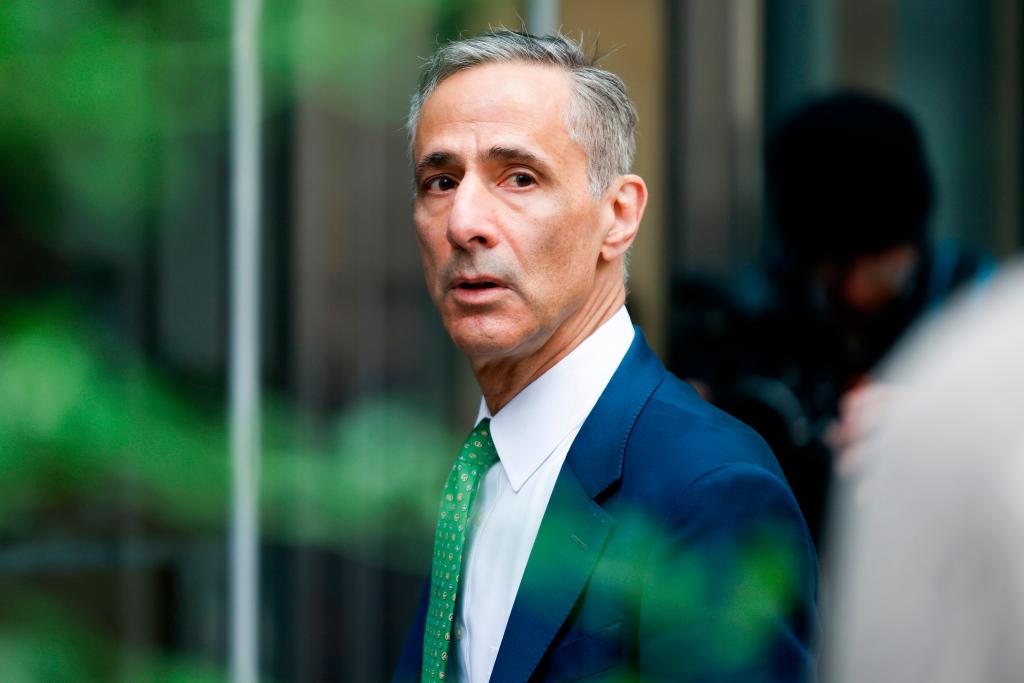
The testimony quickly turned combative during cross-examination by OpenAI’s lead attorney William Savitt, who challenged Musk’s narrative and attempted to highlight inconsistencies in his claims.
Savitt pressed Musk on whether he had previously supported the idea of a for-profit arm within OpenAI. While Musk initially resisted giving a direct answer, he ultimately acknowledged that discussions about a for-profit structure had taken place during the organization’s early years.
The exchange grew tense at moments, with Musk pushing back against what he described as overly simplistic yes-or-no questioning. U.S. District Judge Yvonne Gonzalez Rogers, who is presiding over the case, intervened at times to maintain order and keep proceedings focused.
Courtroom revelations also shed light on internal communications from OpenAI’s early days. Messages between Musk and former board member Shivon Zilis were presented, including discussions about maintaining close ties with OpenAI while also exploring talent movement to Tesla.
Musk acknowledged his interest in staying informed about OpenAI’s activities, stating candidly, “I did want to know what was going on in OpenAI.”
Further scrutiny came from references to informal discussions, including a gathering at a San Francisco property where Musk allegedly suggested that OpenAI should move toward a for-profit model—an assertion that added complexity to his current legal position.
At the heart of the case is Musk’s allegation that OpenAI and its leadership misled him into supporting what he believed would remain a nonprofit initiative focused on benefiting humanity. He argues that the organization has since shifted toward profit generation while retaining the reputational advantages of its original mission.
“They can’t have their cake and eat it too,” Musk said in court. “They can’t have the positive halo effect of a charity and enrich themselves greatly.”
OpenAI’s legal team has pushed back strongly against these claims, portraying Musk’s lawsuit as opportunistic. Savitt described the case as a “tale of two Elons,” suggesting that Musk’s actions were motivated by competition following the launch of his own AI venture, xAI.
“He didn’t start coming up with these arguments until he saw that OpenAI could make a lot of money,” Savitt argued, adding that Musk’s primary concern is maintaining his position at the forefront of the AI industry.
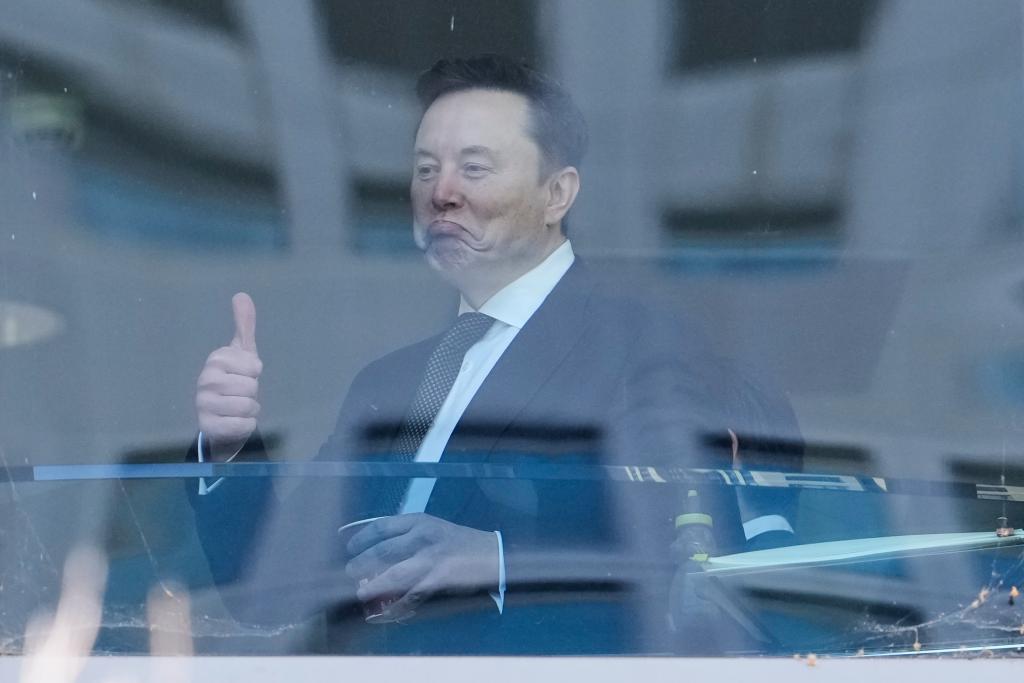
The trial represents more than a personal dispute—it highlights broader tensions shaping the future of artificial intelligence. Questions around ethics, governance, profit models, and control are increasingly central as AI companies grow in influence and valuation.
With key figures including Altman and OpenAI President Greg Brockman present in the courtroom, the case continues to draw global attention.
As proceedings unfold, the outcome could have lasting implications not only for OpenAI and Musk but also for how the next generation of AI organizations balance innovation, responsibility, and commercial success.

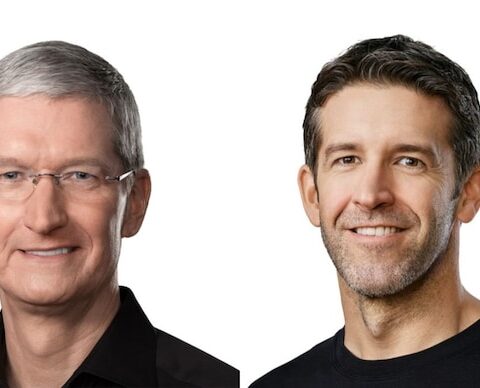
After 15 years at the helm of Apple, Tim Cook is preparing to step down as
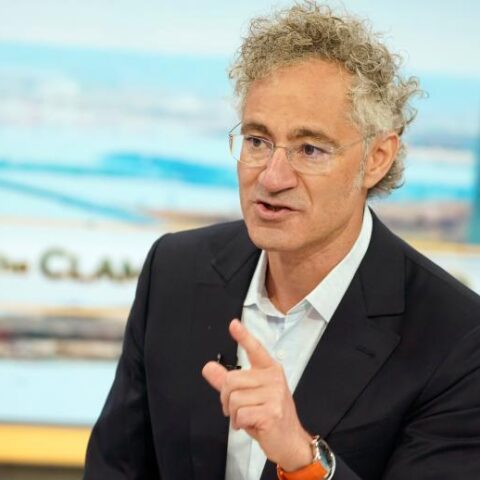
The future of artificial intelligence may not belong exclusively to the handful of technology giants developing
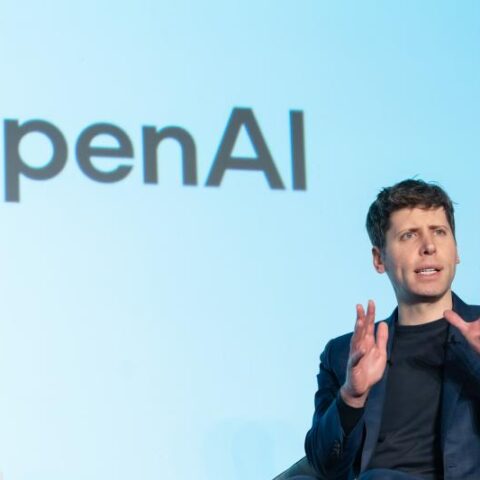
The increasingly bitter rivalry between OpenAI and Elon Musk has entered a new phase, with OpenAI

Ferrari’s first fully electric production car has delivered an extraordinary twist to its controversial debut. The
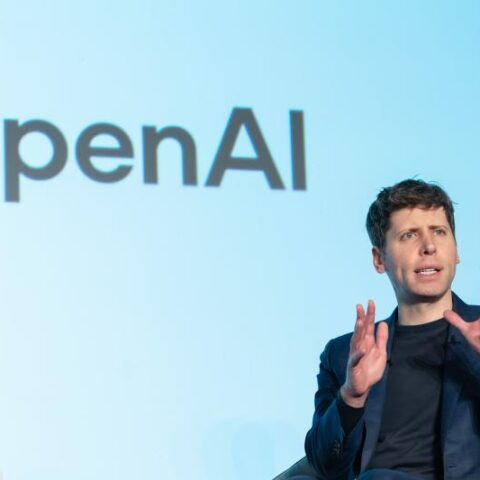
The rapid rise of artificial intelligence could soon create a philanthropic windfall on a scale rarely



I very delighted to find this internet site on bing, just what I was searching for as well saved to fav
I truly appreciate your technique of writing a blog. I added it to my bookmark site list and will
Industrial lifting equipment quality makes a big difference in project timelines.
Thanks for sharing this valuable industry knowledge.
Excellent explanation, thanks!
Strong points on structural lifting. Multi-point lifting systems reduce operational risks significantly.
Industrial lifting equipment plays a key role in modernization projects.
Great information on industrial heavy lifting best practices.
Excellent overview of heavy lifting applications in power plants.
Excellent resource for construction engineering firms.
Well written. Custom hydraulic jacking solutions are definitely in demand for offshore projects.
For the reason that the admin of this site is working, no uncertainty very quickly it will be renowned, due to its quality contents.