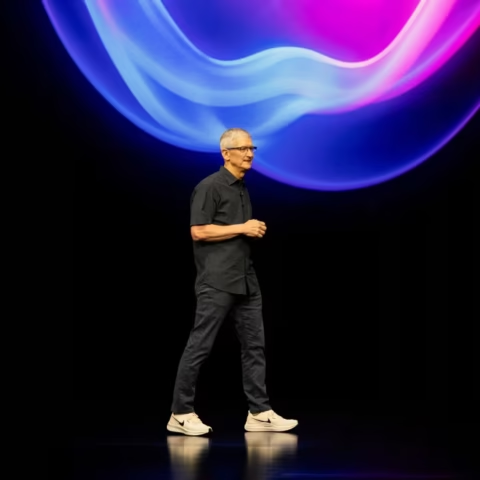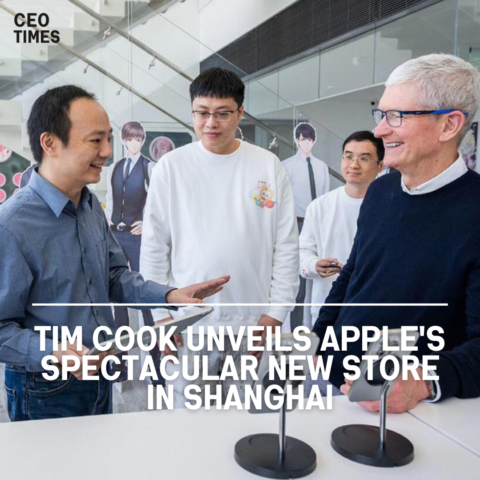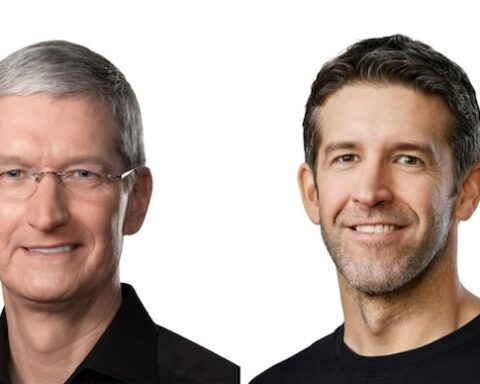



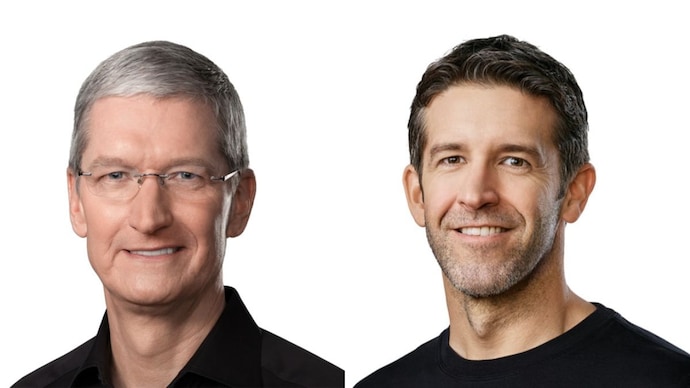
After 15 years at the helm of Apple, Tim Cook is preparing to step down as the company’s Chief Executive Officer on September 1, bringing one of the most consequential leadership eras in the technology industry to a close.
Apple announced the leadership transition in April, confirming that John Ternus, the company’s longtime hardware chief, will succeed Cook as CEO. Cook will move into the role of executive chairman, while Ternus will join Apple’s board on the same day he assumes the top executive position.
Cook’s departure marks the end of a remarkable chapter for a company that has undergone enormous growth, expanded its global ecosystem, and evolved from primarily a hardware business into a technology powerhouse spanning devices, software, services, and emerging technologies.
Cook took over as Apple CEO in 2011, succeeding Steve Jobs during one of the most closely watched leadership transitions in corporate history.
Over the following decade and a half, Cook established his own leadership style, emphasizing operational excellence, global supply chains, product expansion, and the growth of Apple’s services ecosystem.
Under his leadership, Apple became one of the world’s most valuable companies, reaching a scale that few corporations have ever achieved.
While the iPhone remained at the center of Apple’s business, Cook also oversaw the expansion of products and services including the Apple Watch, AirPods, Apple silicon-powered Macs, Apple TV+, Apple Music, and other subscription-based services.
His tenure demonstrated that Apple could continue growing even after the departure of its legendary co-founder.
Cook inherited a company deeply associated with Steve Jobs and faced enormous expectations when he became CEO.
Rather than attempting to replicate Jobs’ personality or leadership style, Cook developed a model centered on execution, efficiency, and long-term corporate strategy.
His operational background became one of Apple’s greatest strengths. The company expanded its global manufacturing network, strengthened its supply-chain capabilities, and built increasingly significant recurring revenue streams through its services business.
The result was an Apple that became considerably larger and more diversified than the company Cook inherited.
Cook’s successor, John Ternus, represents a strong connection to Apple’s product-development culture.
Ternus joined Apple in 2001 and rose through engineering and leadership positions before becoming head of the company’s hardware division. He has been closely involved with the development of major Apple products, including the iPhone, iPad, and Mac.
His appointment signals continuity at a time when Apple faces important questions about its next phase of innovation.
Artificial intelligence, the evolution of Siri, future hardware categories, autonomous technology, and new consumer products will all be important challenges for the incoming CEO.
Although Cook is leaving the CEO position, his relationship with Apple is far from over.
As executive chairman, he will remain connected to the company while taking on a different role. His continued presence could provide Ternus with valuable institutional knowledge during the transition.
Cook’s experience navigating governments, regulators, international markets, and Apple’s global business relationships could also remain an important asset to the company.
Meanwhile, Ternus will have the responsibility of translating Apple’s enormous technological and financial strength into its next generation of growth.
Tim Cook’s final day as CEO represents more than a change of title. It marks the conclusion of a 15-year leadership journey that reshaped Apple’s scale, business model, and global influence.
His legacy will ultimately be measured not only by Apple’s extraordinary valuation and financial expansion, but by his ability to guide the company through the post-Jobs era while preserving its identity as one of the world’s most influential technology brands.
Now, as John Ternus prepares to take over, Apple enters a new chapter.
The question facing its next CEO is no longer how to preserve Cook’s legacy—but how to create the next one.

The future of artificial intelligence may not belong exclusively to the handful of technology giants developing
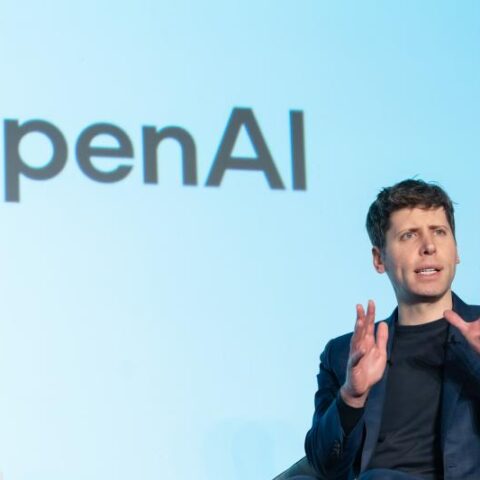
The increasingly bitter rivalry between OpenAI and Elon Musk has entered a new phase, with OpenAI
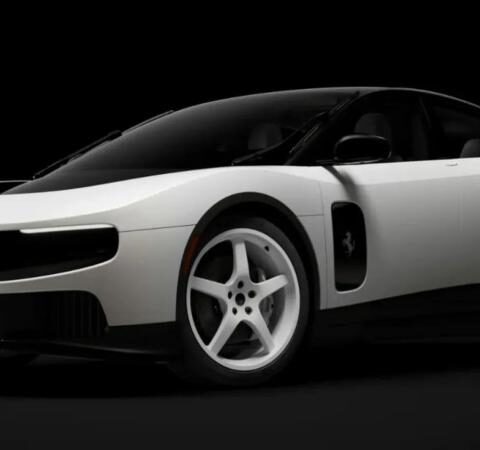
Ferrari’s first fully electric production car has delivered an extraordinary twist to its controversial debut. The
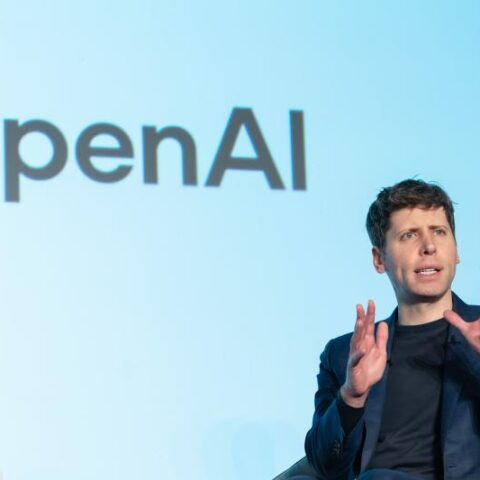
The rapid rise of artificial intelligence could soon create a philanthropic windfall on a scale rarely
From executive recruiting and leadership development to university partnerships, employee engagement, and organizational transformation, FleetHire LLC