



How artificial intelligence supercharged Silicon Valley fortunes, reshaped global markets, and left investors weighing unprecedented gains against growing bubble fears


An unprecedented artificial intelligence rally reshapes global wealth as Silicon Valley’s elite ride soaring markets, massive bets, and mounting questions about what comes next
America’s richest technology leaders have ended the year vastly wealthier, as an artificial intelligence–driven market surge delivered a staggering $550 billion windfall to the country’s top tech founders and executives. By Christmas Eve, the combined net worth of the 10 wealthiest U.S. tech figures had swelled to nearly $2.5 trillion, up sharply from $1.9 trillion at the start of the year, according to Bloomberg data.
The extraordinary gains reflect Wall Street’s full-throttle embrace of artificial intelligence, with capital flooding into AI chips, cloud infrastructure, data centers, and next-generation computing. The S&P 500 climbed more than 18% over the year, but the bulk of those gains were heavily concentrated in technology stocks tied directly to AI’s rapid expansion.
At the forefront of the wealth surge is Elon Musk, who is poised to finish the year as the world’s richest person. His net worth jumped nearly 50% to an estimated $645 billion, buoyed by a shareholder-approved $1 trillion Tesla pay package and a dramatic increase in the valuation of SpaceX, now estimated at $800 billion.
Though Musk briefly lost the top ranking in September, the rebound underscored how closely billionaire fortunes are now tethered to AI optimism and future-facing technologies.
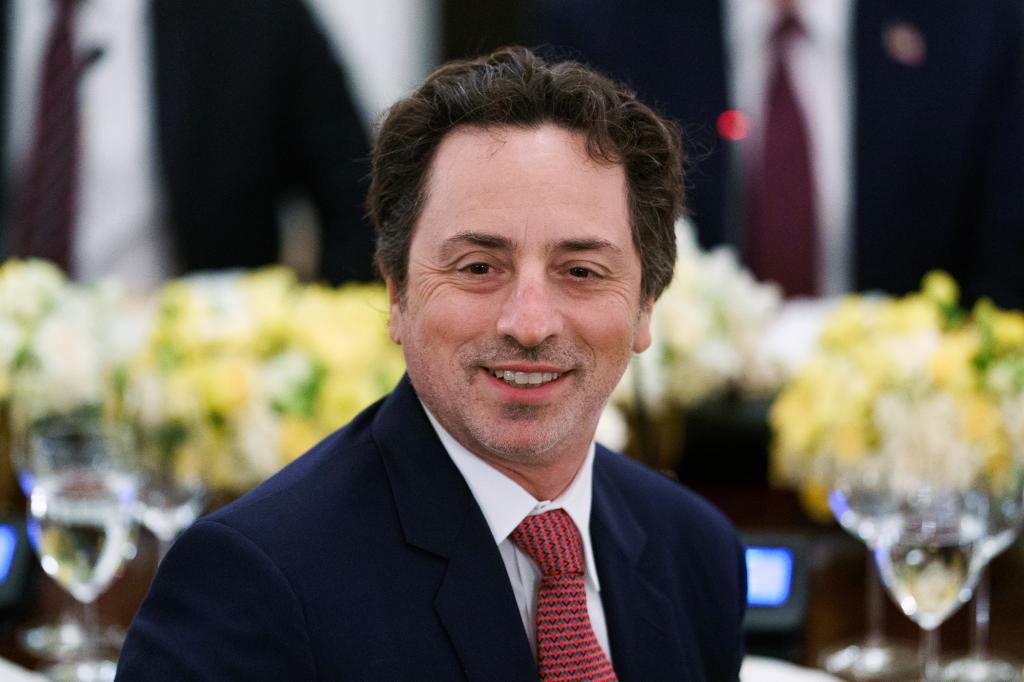
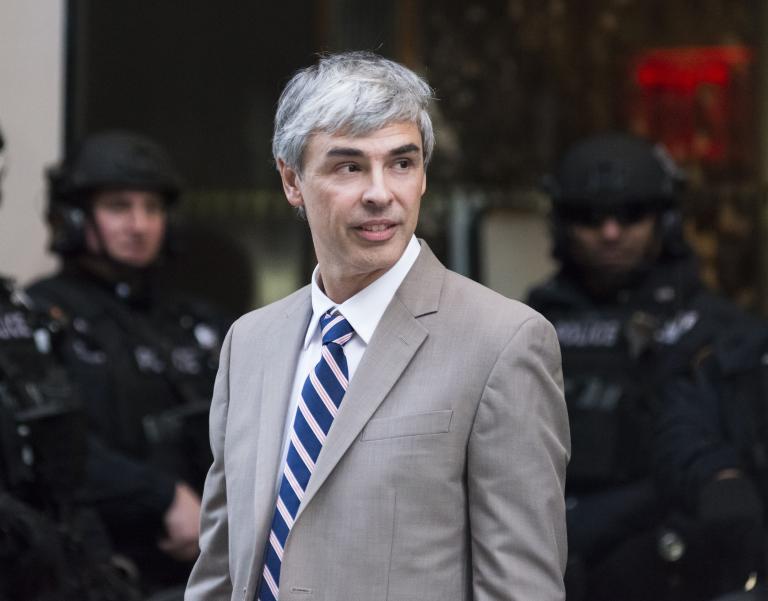
Larry Page and Sergey Brin, Google’s co-founders, ranked among the year’s biggest winners. Page’s fortune climbed 61% to around $270 billion, while Brin’s rose 59% to approximately $251 billion. Investors regained confidence in Alphabet after rapid advancements in its in-house AI models and custom chips, particularly upgrades to its Gemini platform, helping reposition Google at the forefront of the AI race.
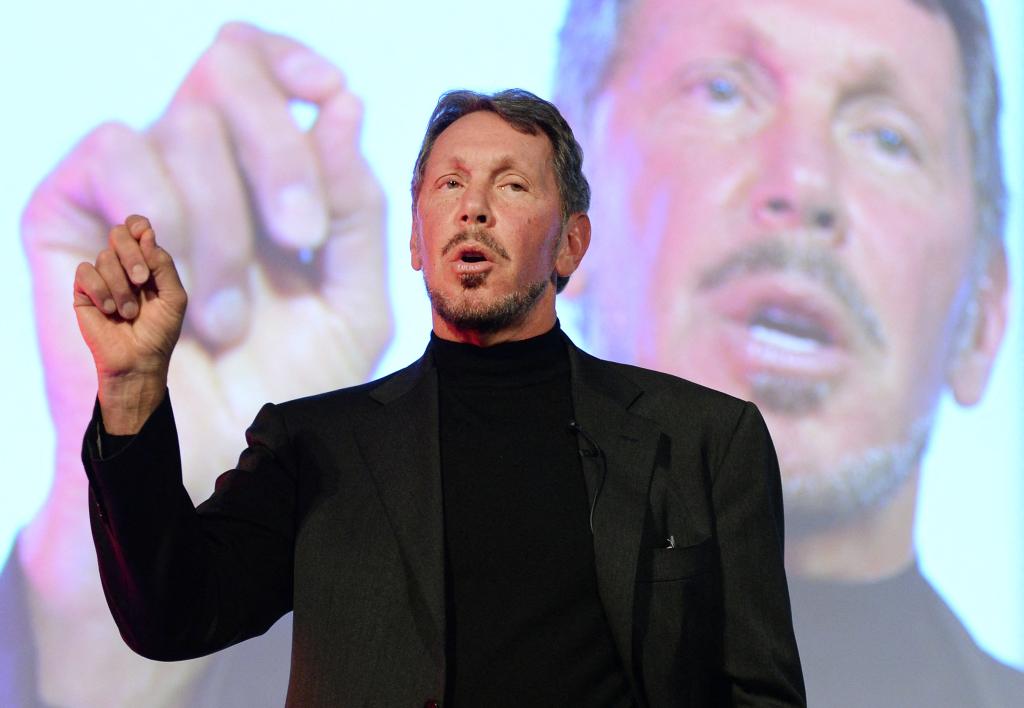
Larry Ellison, founder of Oracle, also saw his wealth soar following the announcement of a $300 billion data center deal with OpenAI, highlighting the massive infrastructure demands powering AI’s next phase. However, concerns about how Oracle would finance the buildout later sent shares tumbling nearly 40% from their September peak, trimming some of those gains.
Meanwhile, Nvidia CEO Jensen Huang presided over one of the most defining corporate success stories of the year. Nvidia became the world’s most valuable publicly traded company, surpassing a $4 trillion market capitalization. Huang’s net worth climbed to $156 billion, even as regulatory filings revealed he sold more than $1 billion worth of shares during the rally.
Not all tech leaders simply held on. Jeff Bezos sold roughly $5.7 billion worth of Amazon stock, while Michael Dell unloaded more than $2 billion in Dell Technologies shares. Dell and his wife, Susan, also pledged $6.25 billion to fund “Trump accounts” for 25 million American children, marking one of the largest philanthropic commitments of the year.
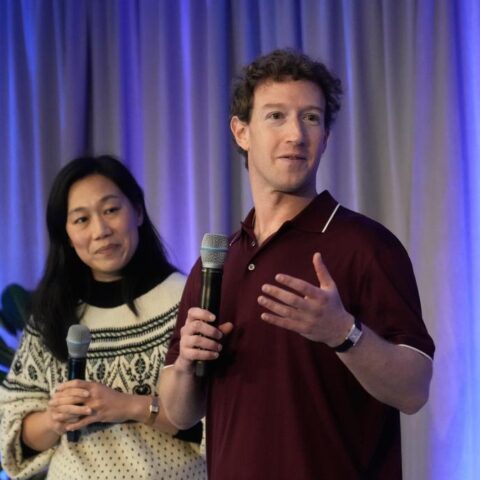
Mark Zuckerberg, despite adding more than $28 billion to his fortune year-to-date, slipped in the rankings after Meta shares pulled back amid investor concerns over the company’s aggressive AI infrastructure spending and costly talent acquisitions.
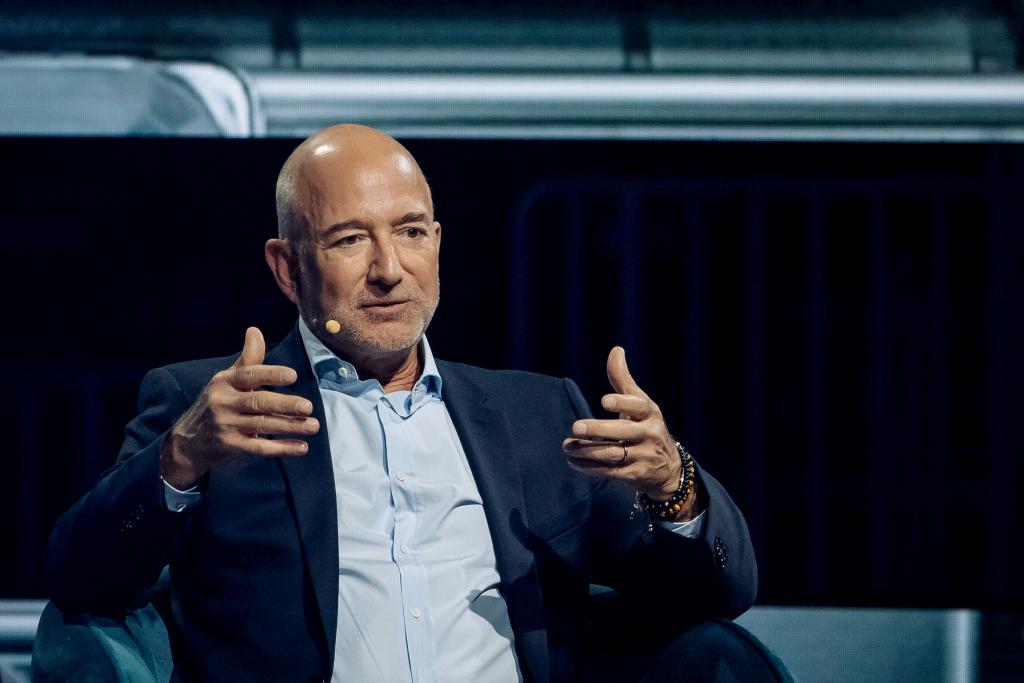
The AI frenzy has undeniably reshaped global wealth, but it has also raised concerns about sustainability. “This is all speculative and correlated to the success of AI,” said Jason Furman, Harvard economics professor and OpenAI consultant. “There’s a huge question mark over whether this is all going to pay off, but investors are betting that it will.”
That bet was symbolically reinforced when Time magazine named leading AI executives its 2025 ‘Person of the Year,’ underscoring the sector’s cultural and economic dominance.
As trillions of dollars hinge on artificial intelligence’s promise, America’s tech titans have never been richer — or more exposed. Whether this moment marks the foundation of a lasting transformation or the peak of an overheated cycle remains the defining question for markets, investors, and the global economy ahead.
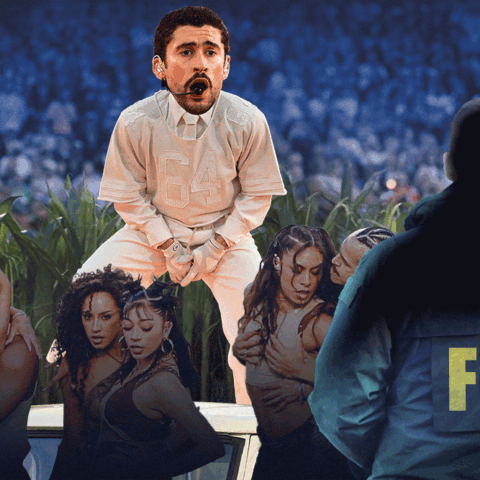
Puerto Rican pop star Bad Bunny has once again found himself at the center of controversy
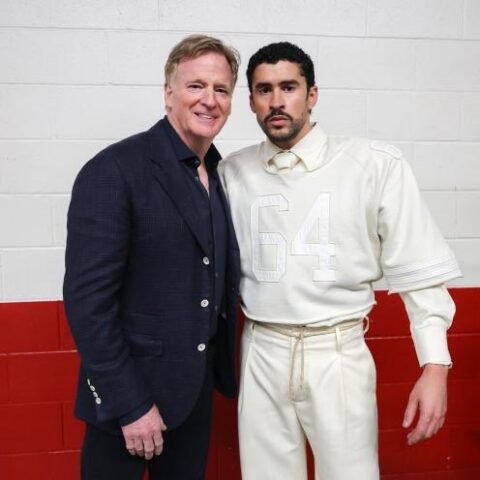
The NFL has long been more than just a football league—it is a cultural force, a
Mark Zuckerberg is the latest Silicon Valley heavyweight to expand his real estate footprint in Florida,
Sydney Sweeney stepped onto the trading floor of the New York Stock Exchange on Monday morning,
Once Upon a Farm, the organic children’s food company co-founded by actress Jennifer Garner, made a