





A sharp pullback in production and promotion reflects slowing demand for Apple’s ambitious mixed-reality headset


Production cuts and scaled-back marketing signal a rare setback for Apple’s most expensive headset
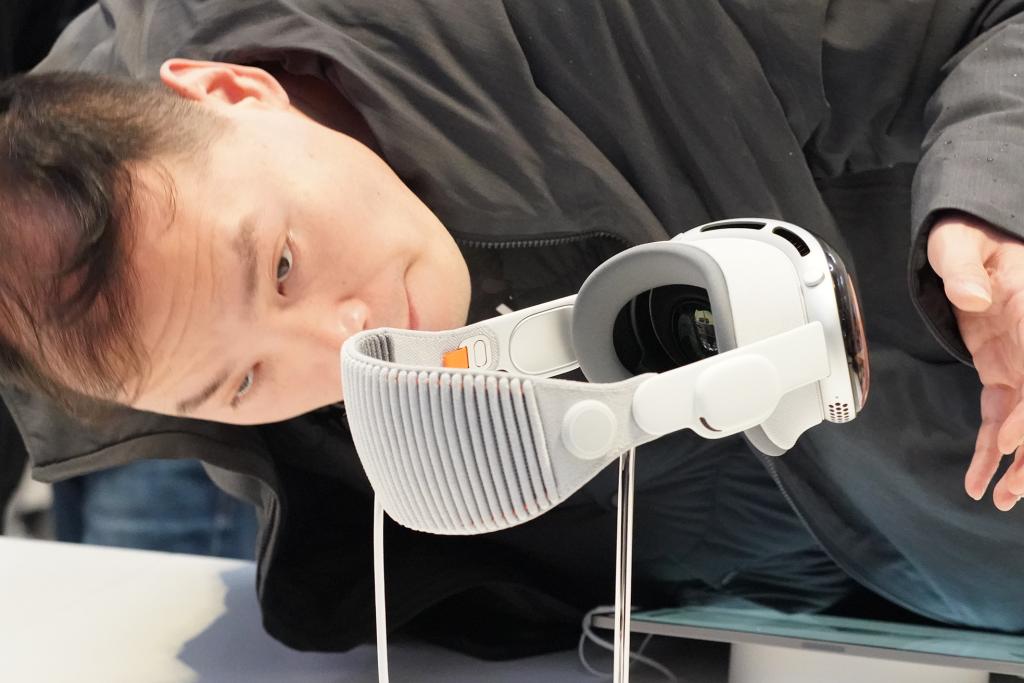
Apple has reportedly scaled back production and marketing of its Vision Pro headset, marking a significant slowdown for what was once billed as the company’s most ambitious hardware launch in a decade. According to estimates cited by the Financial Times from market research firm IDC, Apple is expected to sell just 45,000 Vision Pro units in the fourth quarter of 2025 — a modest figure for a device priced at $3,499 and a sharp contrast to the millions of iPhones and MacBooks the company sells each quarter.
While Apple does not disclose detailed sales numbers for the Vision Pro, signs of weaker-than-expected demand have been mounting. Luxshare, Apple’s China-based manufacturing partner, reportedly halted production of new units at the beginning of last year due to sluggish sales. The headset is currently available in only 13 countries, and Apple has chosen not to expand its international rollout beyond those markets.
The company has also dramatically reduced its promotional push. Spending on digital advertising for the Vision Pro has fallen by more than 95 percent in key markets such as the United States and the United Kingdom since the product’s launch, according to data from research firm Sensor Tower cited by the FT. The pullback underscores a strategic shift as Apple reassesses how aggressively to support the device.

Launched in mid-2023, the Vision Pro was positioned by CEO Tim Cook as the product that would usher in a new era of personal computing. Instead, the headset has received a mixed reception. Critics and early users pointed to its steep price, limited battery life, heavy form factor, and a lack of VisionOS-native applications as barriers to widespread adoption.
“We can say the cost, form factor and the lack of VisionOS native apps are the reasons why the Vision Pro never sold broadly,” Morgan Stanley analyst Erik Woodring told the Financial Times.
The challenges surrounding Vision Pro come at a time when Cook is also navigating a complicated rollout of artificial intelligence features across Apple’s ecosystem. The company was forced to delay planned AI upgrades to its Siri voice assistant last year due to technical issues, and it has since reshuffled leadership roles in an effort to accelerate progress. These hurdles have placed additional pressure on Apple as competitors move aggressively in both AI and mixed-reality spaces.
Despite the Vision Pro’s struggles, Apple remains financially robust. The company continues to rely heavily on the iPhone, which drives the bulk of its revenue and helped push Apple to an all-time high of $416 billion in fiscal 2025. Still, the muted response to Vision Pro represents a rare misstep for a company known for turning premium hardware into mass-market success.
Apple has not publicly commented on the reported production cuts or marketing pullback. For now, the Vision Pro appears to be transitioning from a bold flagship bet into a more cautious, experimental chapter in Apple’s long-term vision for spatial computing.

The road to recovery is proving more difficult than expected for Nike, as the company grapples

In a significant misstep within the rapidly evolving artificial intelligence sector, Anthropic is scrambling to contain

In a move that could redefine global capital markets, Elon Musk’s SpaceX has confidentially filed for

In the world of entrepreneurship, access to capital can determine whether a promising idea grows into

A major dispute between the U.S. government and one of the world’s leading artificial intelligence companies