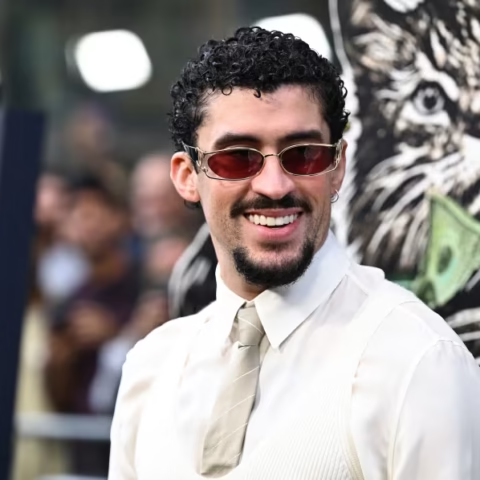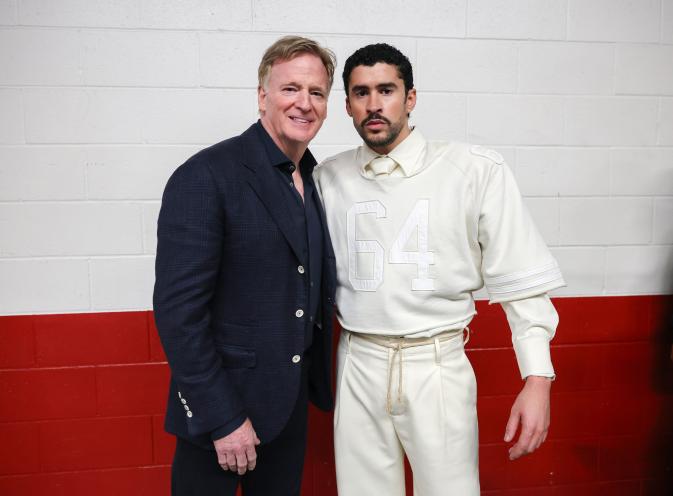





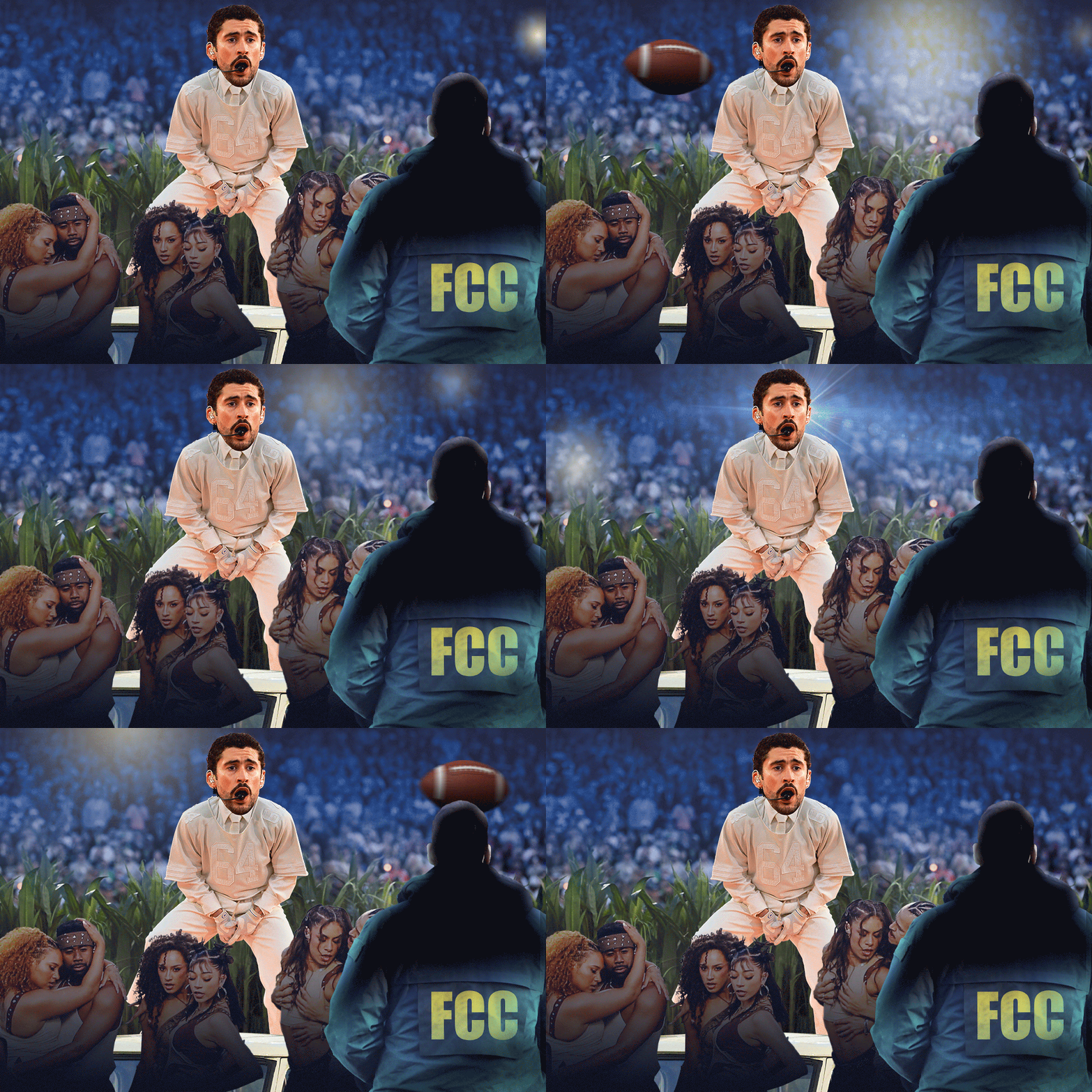
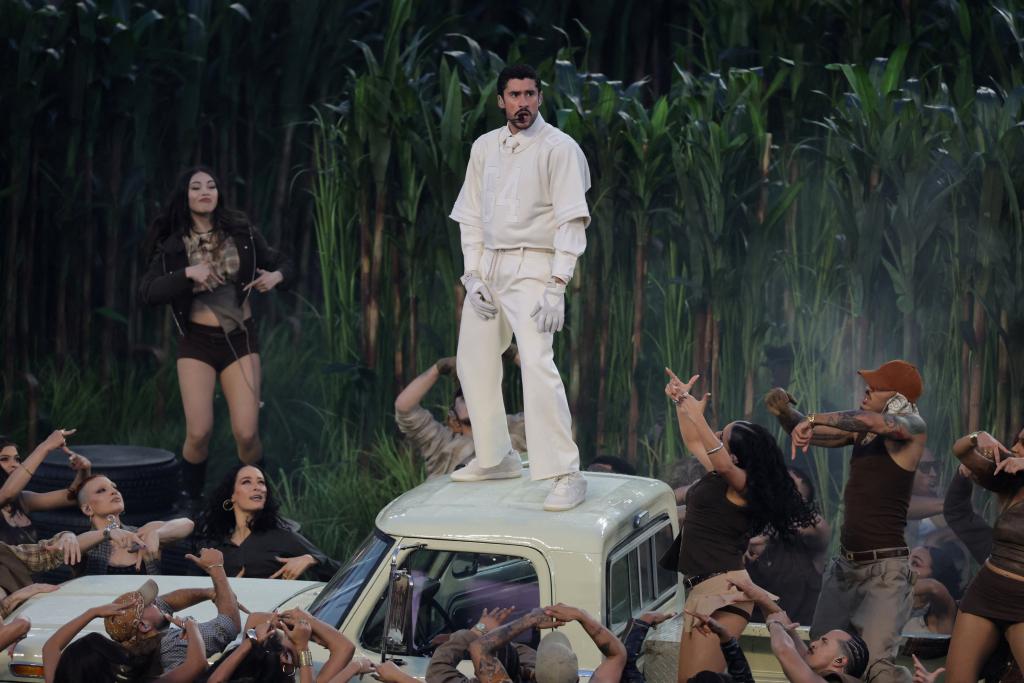
Puerto Rican pop star Bad Bunny has once again found himself at the center of controversy following his 2026 Super Bowl halftime performance, which drew scrutiny from the Federal Communications Commission (FCC) over potential violations of rules prohibiting indecent material and offensive language on public airwaves.
The FCC’s preliminary review found that the songs performed—“Tití Me Preguntó,” “Monaco,” and “Safaera”—had been carefully scrubbed of explicit lyrics referencing sexual acts and genitalia, effectively sidestepping any immediate enforcement action. A person familiar with the matter told On The Money that the agency decided to shelve further scrutiny barring additional evidence.
Both the NFL and Bad Bunny’s representatives declined to comment, and an FCC spokesperson did not respond to requests for clarification.
Performance, Politics, and Cultural Messaging
Bad Bunny, born Benito Antonio Martínez Ocasio, is renowned for his flamboyant stage presence, singing in Spanish, and his provocative lyrics that often include progressive political themes. His halftime act incorporated depictions of Latin American life, featuring sugarcane fields and flags from multiple Latin American nations, continuing the social commentary he has displayed at previous events like the Grammys, including pointed critiques of President Trump’s immigration policies.
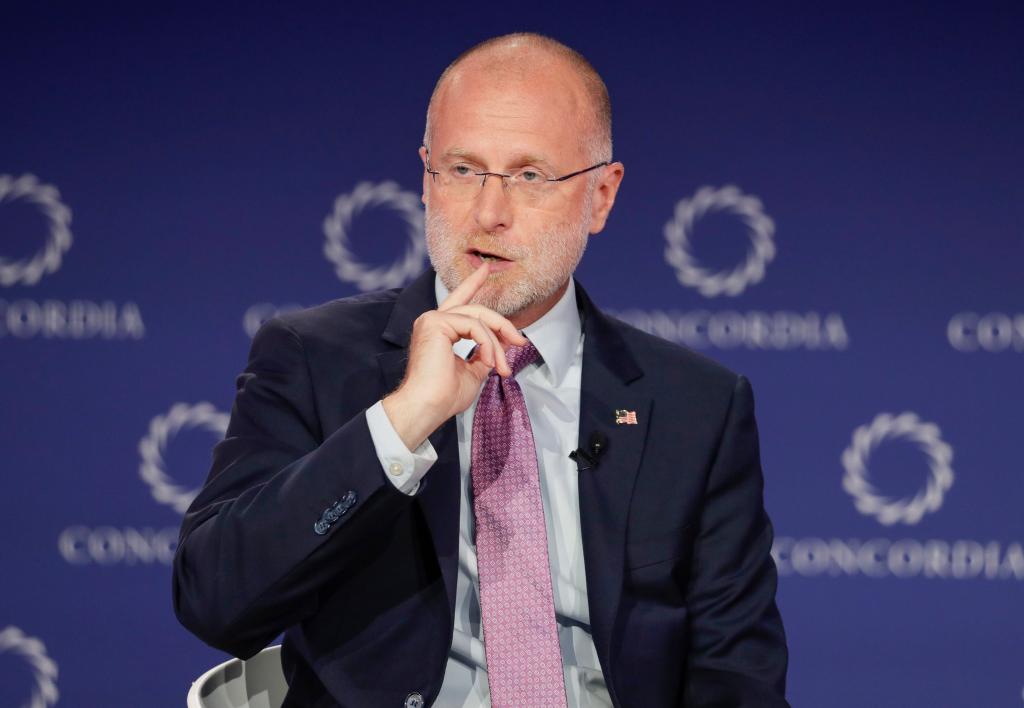
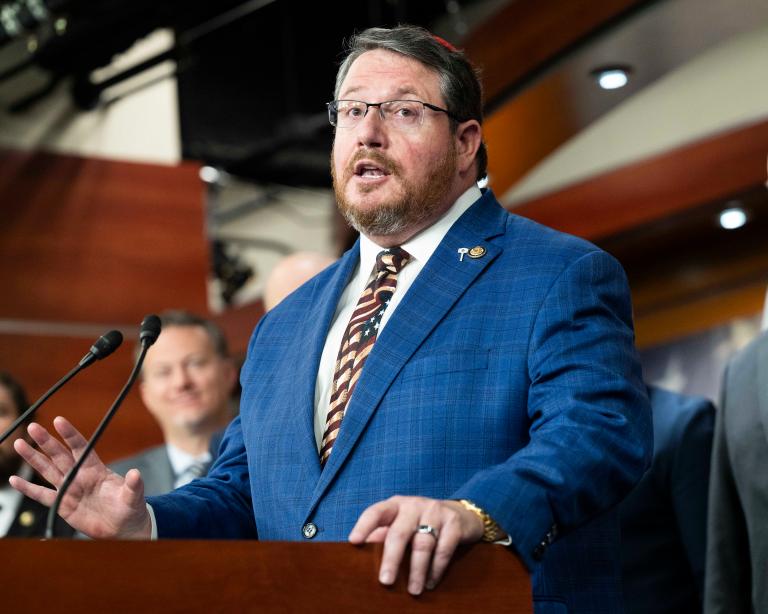
The NFL’s expansion into Latin American markets may explain some of the thematic choices, yet the performance drew sharp criticism from conservative fans who felt alienated by what they perceived as political messaging and risqué dance routines. The backlash included calls for an FCC investigation, spearheaded by GOP Florida Congressman Randy Fine, who wrote to FCC Chair Brendan Carr condemning the content as “vulgar and disgusting” and inappropriate for the 130 million viewers, including children.
FCC Rules and Enforcement Challenges
Under FCC guidelines, material aired on free-to-air television during primetime—between 7 p.m. and 11 p.m.—must not depict sexual or excretory organs or activities in a manner “patently offensive as measured by contemporary community standards.” Bad Bunny performed between approximately 8 p.m. and 8:30 p.m., a prime window, with dance routines that included twerking and suggestive choreography.
A complicating factor for any investigation was the Spanish-language lyrics, which had either been altered or bleeped out, leaving little evidence of rule violations. Sources indicate that translations revealed minimal offensive content, reducing the likelihood of enforcement action.
Viewership Impact
Beyond regulatory concerns, the performance appeared to affect Super Bowl viewership. While the game drew a peak audience of 137,826,000 viewers during the second quarter, Nielsen data showed declines of 1%, 6%, and 5% during the halftime segment featuring Bad Bunny, before rebounding by 7% in the third quarter. Front Office Sports reporter Ryan Glasspiegel noted that the halftime performance caused “more % of the Super Bowl viewership to drop from the end of the second quarter than has ever happened before.”
The Bigger Picture
Bad Bunny’s halftime show highlights the NFL’s complex balancing act: appealing to new, international audiences while retaining its traditional, largely conservative fan base. The performance underscores ongoing tensions between entertainment, politics, and broadcasting regulations, raising questions about how far major events can push social and cultural messaging without alienating viewers or attracting regulatory scrutiny.
As the FCC inquiry remains stalled, the conversation around language, content, and audience engagement continues, illustrating the challenges inherent in staging a halftime show watched by millions across diverse demographics and cultural perspectives.
Related Articles