




As billions flow into Meta’s AI ambitions, mounting internal tensions expose the fragile balance between visionary leadership, creative freedom, and the race to dominate the future of artificial intelligence.

As Meta pours billions into artificial intelligence, tensions rise between visionary ambition and suffocating control—revealing cracks at the heart of Silicon Valley’s biggest AI gamble.
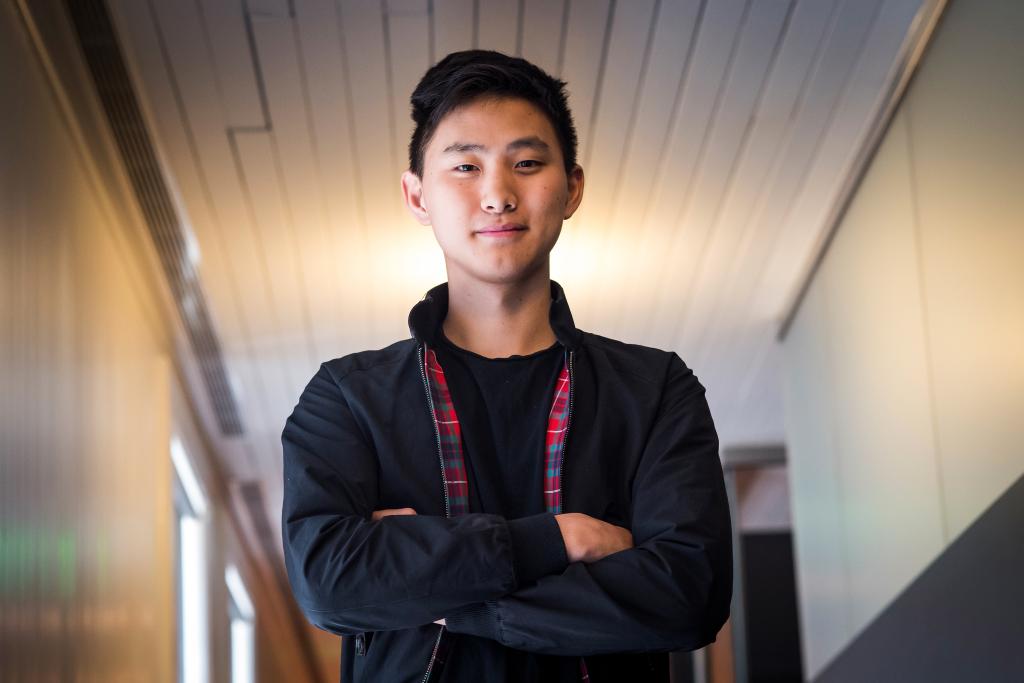
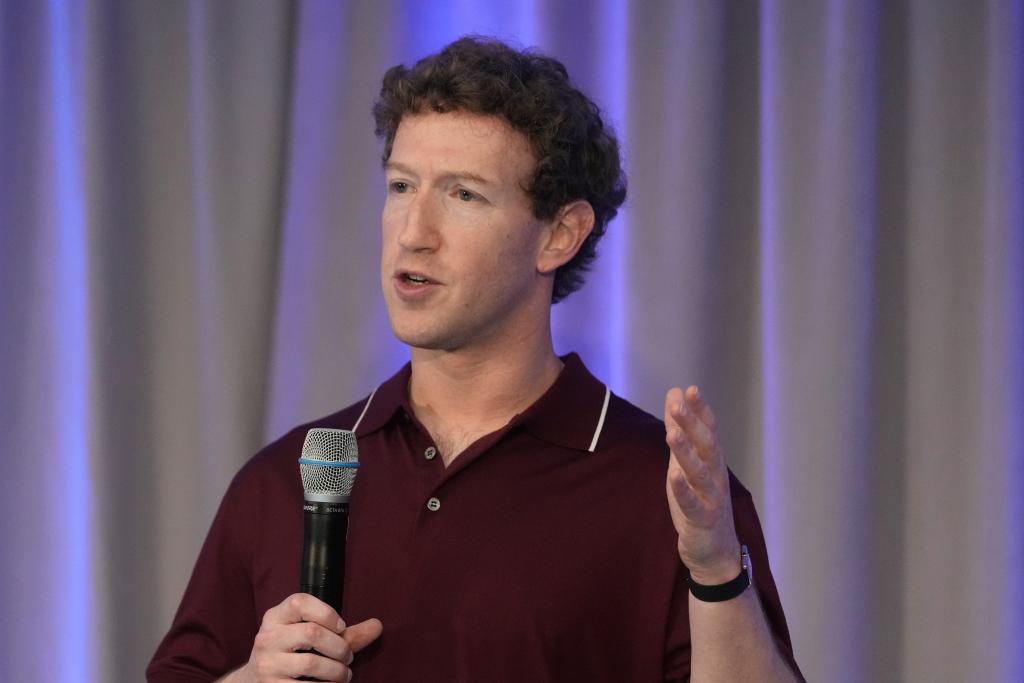
Meta’s aggressive push to dominate artificial intelligence has taken a dramatic turn, as reports emerge of growing internal friction between CEO Mark Zuckerberg and one of the company’s most high-profile recruits, AI prodigy Alexandr Wang. Hired amid great fanfare after Meta acquired a 49 percent stake in Wang’s data startup Scale AI for more than $14 billion, the 28-year-old billionaire was positioned as the public face of Zuckerberg’s AI reboot. Privately, however, Wang is said to believe the CEO’s micromanagement of the AI strategy has become “suffocating.”
According to a Financial Times report citing multiple sources familiar with the situation, Wang has expressed frustration to associates over Zuckerberg’s tight grip on decision-making. The concerns underscore broader unrest within Meta, a company already grappling with repeated layoffs, senior executive departures, rushed product launches, and eye-watering levels of spending that have unsettled employees and investors alike.
Wang’s arrival was meant to signal a turning point. Known for building Scale AI into a critical data provider for the AI industry, he was brought in to help Meta accelerate its ambitions and lead key initiatives, including the secretive TBD Lab. The lab is reportedly working on a next-generation flagship model codenamed “Avocado,” intended to leapfrog competitors and restore Meta’s standing in the AI race.
But cracks began to show earlier this year with the troubled rollout of Llama 4, Meta’s highly anticipated large language model. Despite bold expectations, the model lagged behind rivals on benchmarks for coding and complex reasoning. Meta also faced criticism for allegedly submitting a customized version of the model to AI leaderboards, raising questions about transparency and credibility.
Inside the company, the setback was viewed as a humiliating blow to Zuckerberg’s pledge to rapidly transform Meta into an AI powerhouse. Employees pointed to weak training data, insufficient testing, and deep organizational dysfunction. One insider described a culture where teams were “rooting for their own products,” resulting in fragmented tools that failed to work cohesively.
Rather than slowing the pace, Zuckerberg intensified his efforts. Meta launched an aggressive hiring spree across Silicon Valley, dangling compensation packages reportedly worth up to $100 million. At the same time, the company poured tens of billions of dollars into AI infrastructure, with capital expenditures expected to reach at least $70 billion this year—and potentially exceed $100 billion annually.
Wang, central to this strategy, now finds himself navigating a complex and strained environment. While some employees see him as essential to Meta’s AI future, others have privately questioned whether his background in AI data services adequately prepared him to manage frontier AI research at Meta’s massive scale.
Tensions have not been limited to Wang. Nat Friedman, the former GitHub CEO recruited to integrate AI models into Meta’s products, has reportedly clashed with leadership over relentless pressure to ship quickly. One cited example is the rapid rollout of “Vibes,” an AI-generated video feed that insiders say was rushed to keep pace with OpenAI’s Sora—often at the expense of quality and morale.
As pressure mounted, a wave of high-profile departures followed. Meta’s longtime chief legal officer Jennifer Newstead left for Apple. Chief revenue officer John Hegeman exited to launch a startup. Even Yann LeCun, Meta’s storied chief AI scientist and a Turing Award winner, is departing to start a new AI initiative, reportedly after objecting to reporting structures and seeing his research priorities curtailed.
Other senior hires also proved short-lived. Clara Shih, recruited from Salesforce to lead business AI, left within a year. Meanwhile, Meta laid off 600 workers from its AI teams, framing the move as a way to streamline decision-making—an explanation that did little to calm internal anxiety.
All of this is unfolding against a backdrop of extraordinary spending and growing investor concern. Meta’s shares plunged sharply in November amid fears that free cash flow could collapse under the weight of escalating AI costs. While Zuckerberg has signaled unwavering commitment to the strategy, markets have reacted nervously to the scale and speed of the investment.
Meta has disputed aspects of the Financial Times report, arguing that experimentation with different AI model variants is standard practice and that public leaderboards can be misleading and easily gamed. The company has also pushed back against characterizations of internal chaos, stating that some cited policy concerns were based on erroneous examples.
Yet the broader picture remains one of a company at a crossroads. Meta’s AI ambitions are vast, its resources unmatched—but the growing tension between centralized control and creative freedom threatens to undermine progress. For Alexandr Wang and the many minds shaping Meta’s AI future, the challenge is no longer just building smarter machines. It is finding space to innovate within a system straining under its own ambition.

The road to recovery is proving more difficult than expected for Nike, as the company grapples

In a significant misstep within the rapidly evolving artificial intelligence sector, Anthropic is scrambling to contain

In a move that could redefine global capital markets, Elon Musk’s SpaceX has confidentially filed for
In the world of entrepreneurship, access to capital can determine whether a promising idea grows into
A major dispute between the U.S. government and one of the world’s leading artificial intelligence companies