







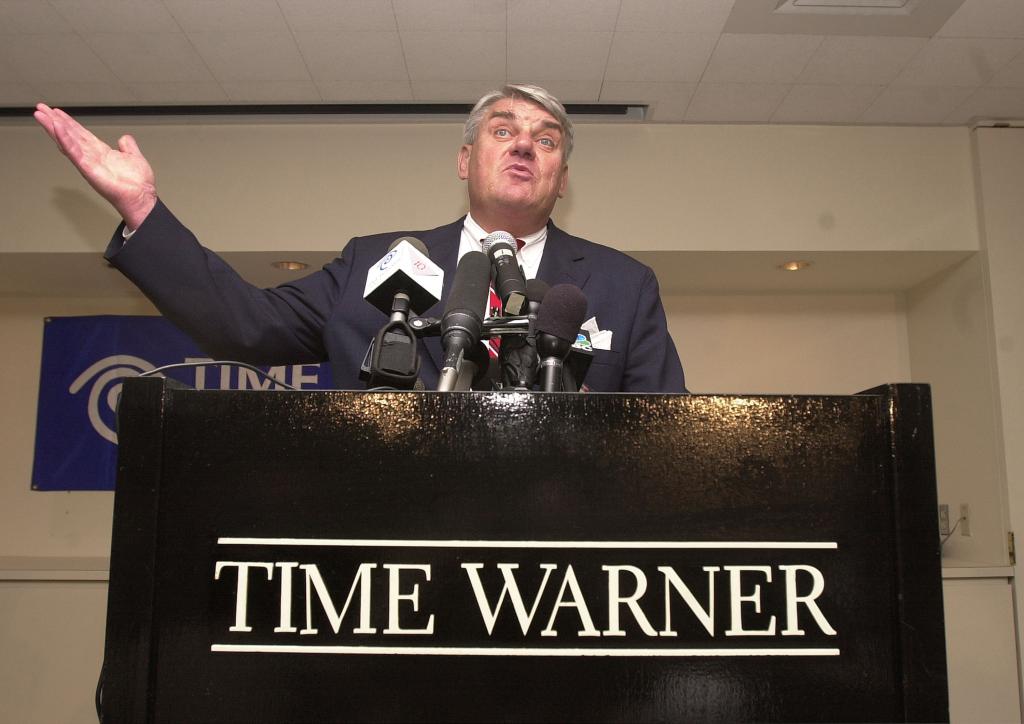
Joseph J. Collins, a pioneering force in the evolution of modern media and telecommunications, has passed away at the age of 81. The former CEO of Time Warner Cable died last Thursday at his home in Weekapaug, Rhode Island, according to a family spokesperson.
A central figure in the transition from traditional broadcast television to cable and eventually the internet age, Collins played a defining role in reshaping how content is delivered, consumed, and monetized across the United States and beyond.
Throughout a distinguished career that included leadership roles at HBO, Time Warner Cable, Comcast, and other major industry players, Collins helped transform cable from a simple distribution channel into a powerful, multi-dimensional platform.
Long before broadband internet became ubiquitous, Collins recognized the untapped potential of cable infrastructure. He envisioned a future where the same networks delivering premium television content could also provide high-speed data—fundamentally changing how people live, work, and interact with technology.
His foresight proved transformative, laying the groundwork for the digital ecosystems that now underpin everyday life.
Collins rose through the ranks at American Television and Communications (ATC), eventually serving as chairman and CEO. Following ATC’s merger with Time Warner Cable in 1992, he led the combined entity during a critical period of expansion and innovation.
Under his leadership, the company advanced cable capabilities—from increasing channel capacity to introducing video-on-demand services and, ultimately, enabling broadband internet and streaming applications.
He later headed AOL Time Warner Interactive Video, where he championed early efforts to merge television with internet-based services—an idea that would later become foundational to modern media consumption.
Collins’ impact extended beyond corporate leadership. He was widely credited with advancing hybrid fiber-coaxial architecture, the technical backbone that enabled high-speed cable internet across the United States.
“Joe was instrumental in building the first cable systems, upgrading them to deliver hundreds of channels, then video on demand, and finally the broadband streaming and internet apps that we all use every day now,” said Jeff Bewkes, former chairman and CEO of Time Warner.
His influence also reached into policy and industry governance. Collins served twice as chairman of the National Cable Telecommunications Association and contributed to shaping the landmark Telecommunications Act of 1996, which redefined the regulatory landscape for media and communications.
Renowned media titan John Malone once famously remarked, “If I have a heart attack, call Joe Collins,” underscoring the deep respect Collins commanded within the industry.
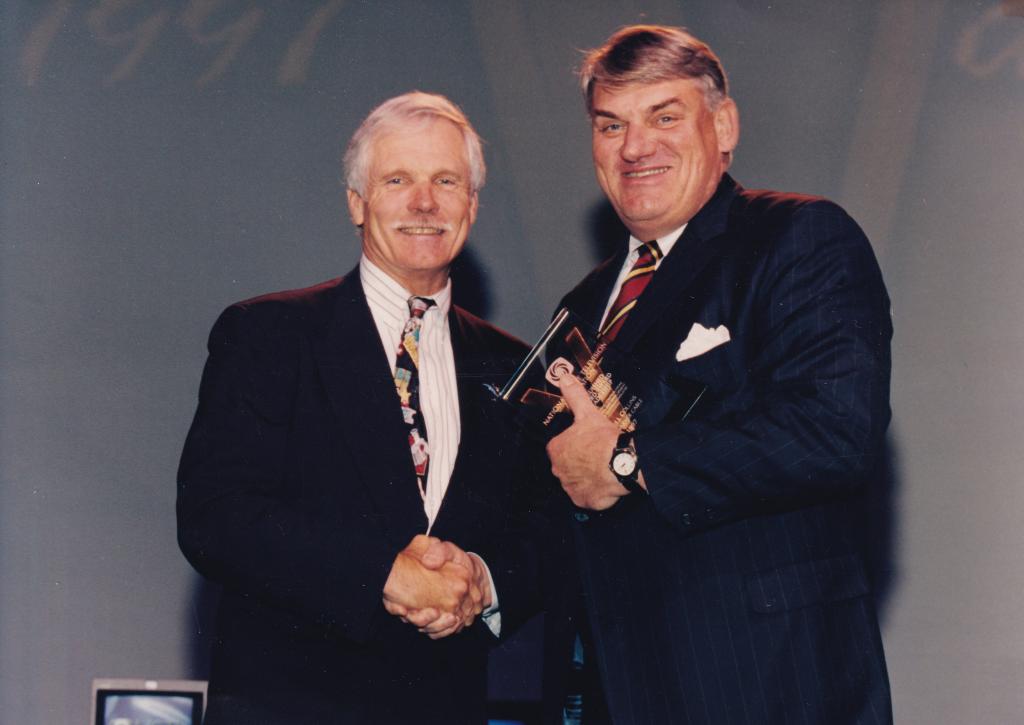
Collins’ contributions earned him numerous accolades, including the Distinguished Vanguard Award for Leadership in 1997 and induction into the Cable Hall of Fame in 2001.
He was also a founding chairman of C-SPAN and served on the boards of TriStar Pictures and TBS, where he played a key role in Ted Turner’s landmark merger with Time Warner in 1996.
Born on July 27, 1944, in Troy, New York, Collins came of age during a period when television, telecommunications, and computing were beginning to converge.
He graduated from Brown University in 1966 and later earned an MBA from Harvard Business School in 1972. Collins also served in the U.S. Navy, reaching the rank of lieutenant and earning the Vietnam Combat Action Ribbon for his service during the Vietnam War.
In his later years, Collins turned his attention to private investment and maritime pursuits. He served as chairman of Aegis Holdings and owned several boatyards, reflecting his passion for the sea.
An avid tennis player and accomplished mariner, he spent much of his time along the Rhode Island coast, often aboard his boat.
Joseph J. Collins is survived by his wife of 54 years, Maura McManman Collins, his four children, and 11 grandchildren. A funeral service is scheduled for April 13 in Rhode Island.
Collins’ legacy is one of vision, leadership, and transformation. From pioneering cable systems to enabling the broadband revolution, his contributions have left an indelible mark on the global media landscape.
In an era defined by connectivity and digital innovation, the systems and ideas he helped build continue to shape how the world communicates—ensuring that his influence will endure for generations to come.


Tesla shares fell nearly 6% on Friday, closing at $354.08, after U.S. federal regulators opened an

OpenAI CEO Sam Altman has pushed back against growing concerns over the environmental impact of artificial

Lululemon’s turnaround has become increasingly difficult, with the athletic-apparel giant facing a steep decline in sales,
After 15 years at the helm of Apple, Tim Cook is preparing to step down as

The future of artificial intelligence may not belong exclusively to the handful of technology giants developing