





A highly anticipated deal that could have created a luxury beauty powerhouse valued at nearly $40 billion ultimately collapsed amid internal tensions, leaks, mounting demands, and a pivotal phone call that changed the course of negotiations for The Estée Lauder Companies.
The proposed transaction had the potential to reshape the global luxury cosmetics and skincare market, bringing together major prestige beauty assets under one expanded corporate umbrella. However, despite early momentum and industry excitement, the negotiations unraveled before an agreement could be finalized.
The beauty industry has increasingly been driven by consolidation, with major players seeking scale, stronger global distribution, and access to fast-growing luxury consumer segments. For Estée Lauder, the proposed deal represented an opportunity to strengthen its position in high-end beauty while expanding its influence across international markets.
The vision was ambitious: build a luxury beauty giant capable of competing more aggressively in skincare, cosmetics, fragrance, and premium wellness categories while capitalizing on the growing global demand for prestige brands.
Industry observers viewed the potential merger as transformative—not only for Estée Lauder but for the broader luxury beauty landscape.
According to reports surrounding the failed discussions, the negotiations became increasingly strained as confidential details began leaking into industry circles and the media. These leaks reportedly created pressure on both sides, complicating trust and weakening the ability to negotiate privately.
At the same time, evolving demands around valuation, control, strategic direction, and deal structure added further complexity to the process. As expectations shifted, the gap between both parties widened.
In large-scale corporate negotiations, timing, confidentiality, and alignment are often critical. Once uncertainty enters the process, even highly strategic deals can quickly become difficult to sustain.
A key turning point reportedly came during a decisive phone conversation that exposed deeper disagreements between the parties involved. While details remain closely guarded, the call is understood to have crystallized concerns surrounding the future structure of the combined business and the feasibility of moving forward under the proposed terms.
What had once appeared to be a landmark transaction gradually lost momentum after that moment, ultimately leading to the collapse of the negotiations.
The breakdown of the deal highlights the increasingly complex environment facing global beauty and luxury companies. Rising competition, changing consumer expectations, evolving digital strategies, and economic pressures are forcing major brands to rethink growth strategies more carefully than ever before.
For Estée Lauder, the failed negotiations may represent a missed opportunity for expansion, but they also underscore the company’s caution in navigating large-scale strategic moves during a period of uncertainty in the global luxury market.
Despite the collapse of the proposed deal, Estée Lauder remains one of the world’s most influential beauty companies, with a portfolio of globally recognized brands and a strong presence across skincare, fragrance, and cosmetics.
The company is expected to continue exploring growth opportunities through innovation, digital transformation, strategic partnerships, and targeted acquisitions that align more closely with its long-term vision.
While the dream of building a $40 billion luxury giant may have faded for now, the story offers a revealing glimpse into the delicate balance of ambition, negotiation, and leadership that shapes the future of global business.


Tesla shares fell nearly 6% on Friday, closing at $354.08, after U.S. federal regulators opened an
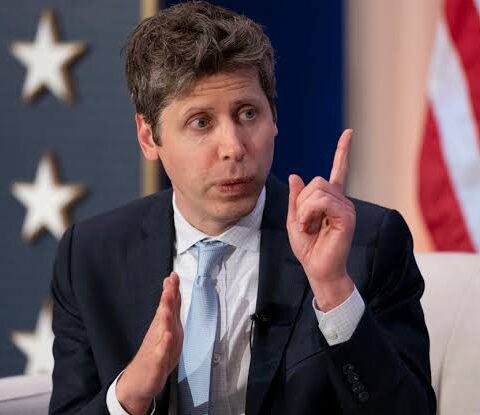
OpenAI CEO Sam Altman has pushed back against growing concerns over the environmental impact of artificial

Lululemon’s turnaround has become increasingly difficult, with the athletic-apparel giant facing a steep decline in sales,
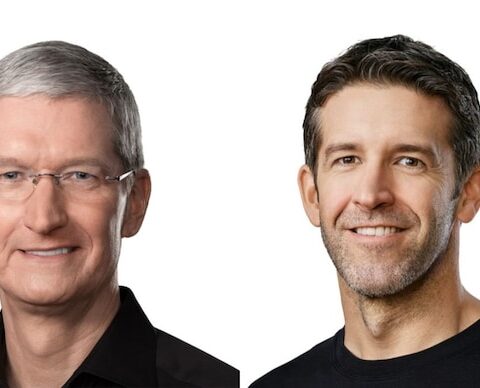
After 15 years at the helm of Apple, Tim Cook is preparing to step down as
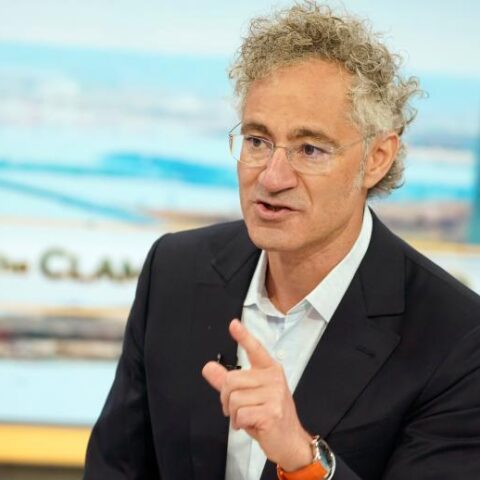
The future of artificial intelligence may not belong exclusively to the handful of technology giants developing